

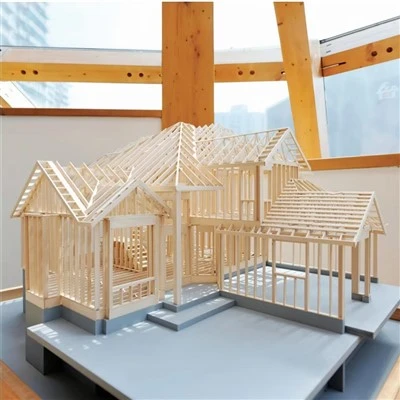
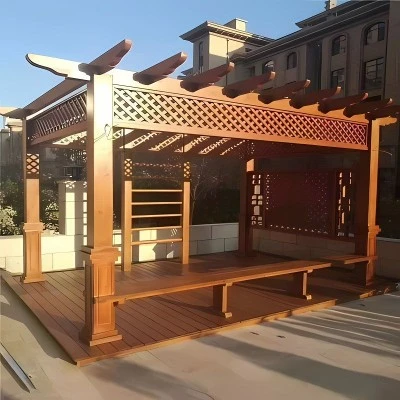
The technical parameters for outdoor structures and landscape elements primarily encompass structural dimensions, material properties, load-bearing capacity, and durability. Parameters such as height, span, column spacing, and component cross-sectional dimensions must be determined based on intended function and structural loading requirements, while also being adjusted to suit the site size and surrounding landscape context. For instance, the span and height of structures like landscape pavilions and pergolas require careful control to ensure they fulfill functions-such as providing shade or a place to rest-without creating an oppressive sense of enclosure in the surrounding space. Facilities such as seating, railings, and platforms must be sized according to human ergonomic standards to ensure comfort and safety.
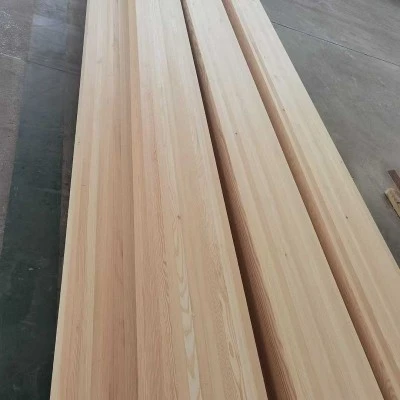
Structural technical parameters relate primarily to the loads the structure must withstand and the properties of the materials used. Design considerations must account for factors such as the structure's self-weight, occupancy loads, wind loads, and snow loads, with the structural form and component dimensions determined based on the specific environment. For timber structures, key considerations include wood strength, moisture content, and resistance to decay; steel structures require a focus on steel strength, component stability, and corrosion resistance; and concrete structures necessitate attention to concrete strength grades and durability. Regarding connection joints, specific requirements for bolts, welds, mortise-and-tenon joints, or other connection methods must be established based on the forces acting on the components to ensure the assembly forms a stable, cohesive structure.
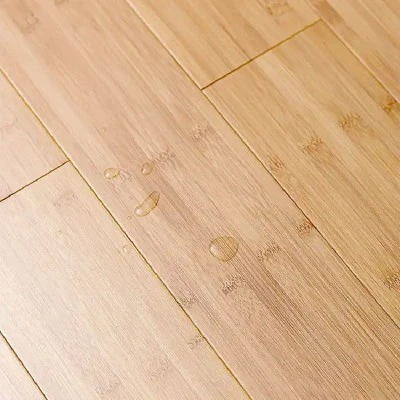
Outdoor structures must also meet relevant technical requirements regarding weather resistance and safety. Components exposed to the outdoors for extended periods require good resistance to water, moisture, corrosion, and ultraviolet (UV) radiation, with appropriate protective measures implemented based on local climatic conditions. For landscape facilities incorporating lighting or electrical equipment, parameters concerning waterproofing, dustproofing, and electrical safety are critical. Furthermore, details such as railing heights, step dimensions, platform load-bearing capacities, and the treatment of component edges and corners must comply with applicable standards and regulations. By properly establishing technical parameters regarding structure, materials, protection, and safety, outdoor structures can effectively fulfill their functional roles while ensuring stability, durability, and aesthetic appeal.