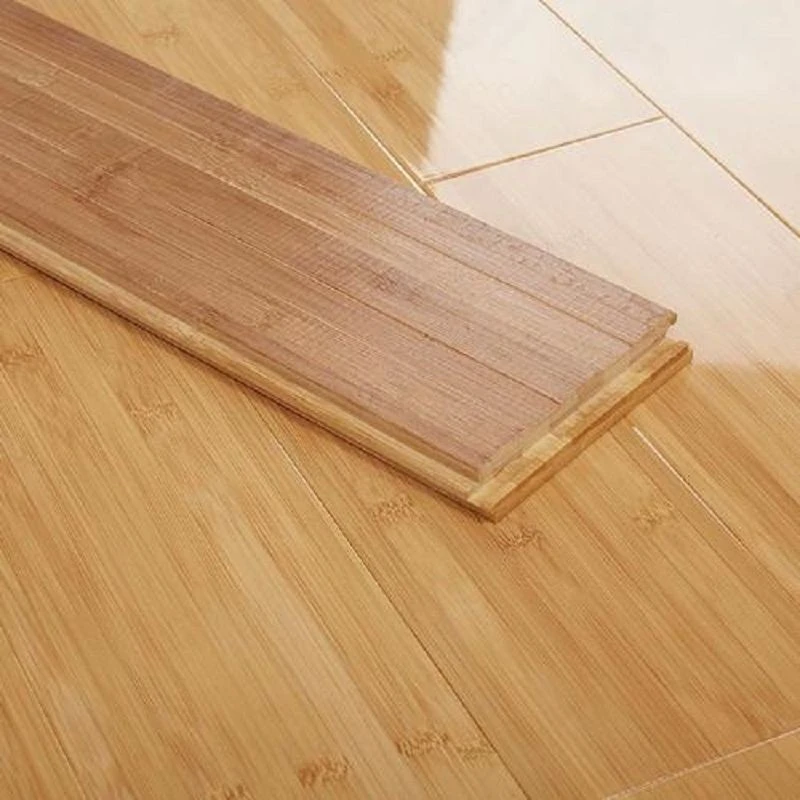
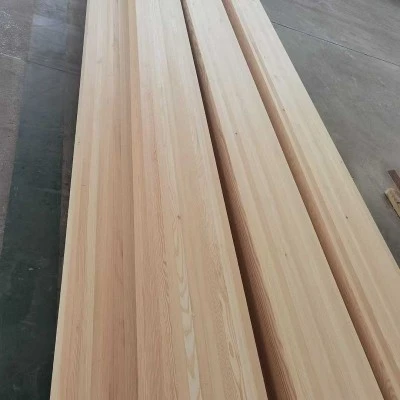
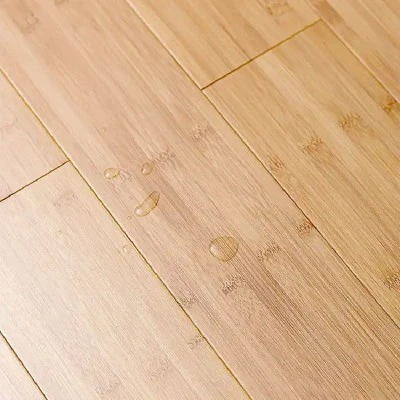

One of the distinct advantages of interior wood products is their natural texture and decorative appeal. Wood possesses inherent grain patterns, colors, and tactile qualities; different species offer unique visual characteristics that complement a wide range of interior design styles-from modern minimalist and natural wood aesthetics to traditional designs. Through various processing and surface finishing techniques, wood products can be tailored to achieve the desired decorative effect. Moreover, wood imparts a sense of warmth and naturalness, helping to enhance the overall atmosphere of an interior space.
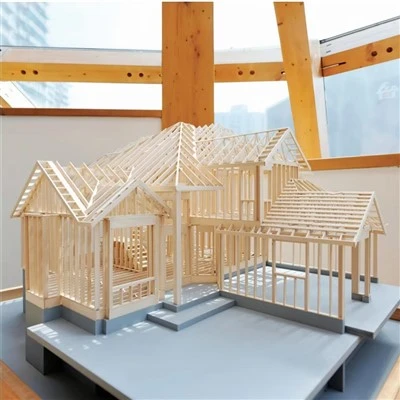
Wood products also offer excellent workability and versatility in shaping. Timber can be processed via sawing, planing, carving, and grooving to create furniture, doors, windows, cabinetry, wall paneling, and various decorative elements. Custom fabrication allows these products to be perfectly adapted to specific spatial dimensions and functional requirements. Furthermore, combining different components enables a wide variety of structures and forms, offering interior designers significant creative flexibility.
With its relatively light weight and pleasant tactile quality, wood is an ideal material for furniture and interior décor. When properly dried, processed, and finished, wood products demonstrate excellent stability and durability. Wood also provides thermal insulation properties; when used in flooring, walls, doors, and windows, it enhances indoor comfort. Its gentle, warm feel-particularly important for furniture and items that come into frequent contact with the body-is a key reason for its widespread use.
Wood products also offer advantages regarding environmental friendliness and sustainability. As a renewable resource, wood supports a circular lifecycle through responsible harvesting, planting, and regeneration. Many wood products can be recycled, reused, or reprocessed at the end of their service life, thereby minimizing waste. However, actual environmental performance depends on factors such as the wood's source, processing methods, and the use of auxiliary materials like adhesives and coatings. Therefore, when selecting interior wood products, it is essential to consider the material source, manufacturing processes, and environmental standards, aiming to minimize the impact on the indoor environment and natural resources while ensuring optimal performance.