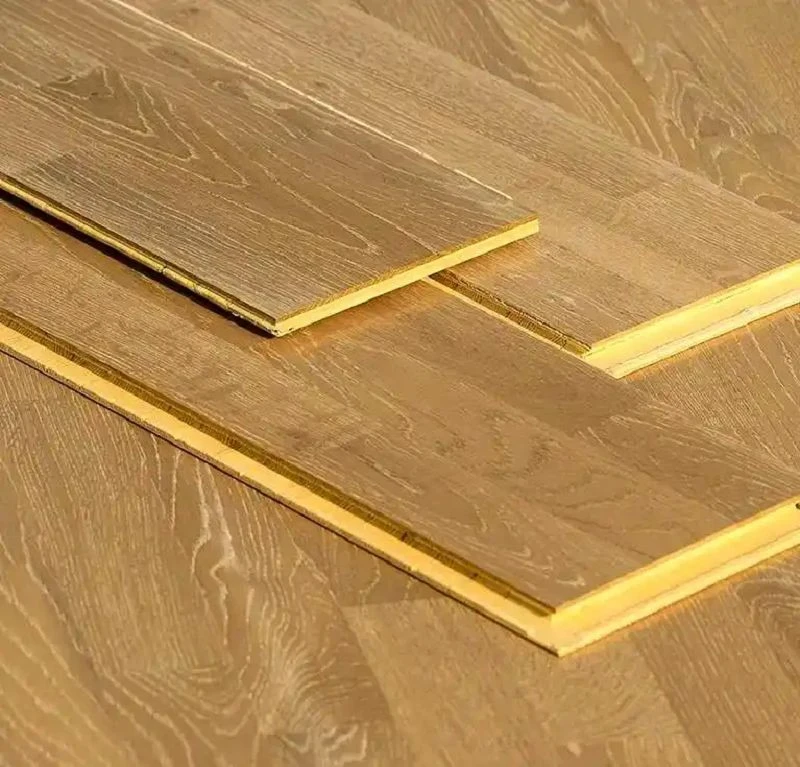
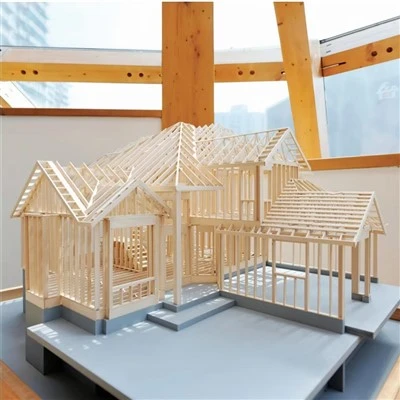
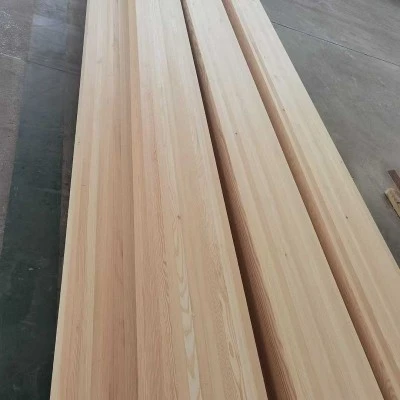
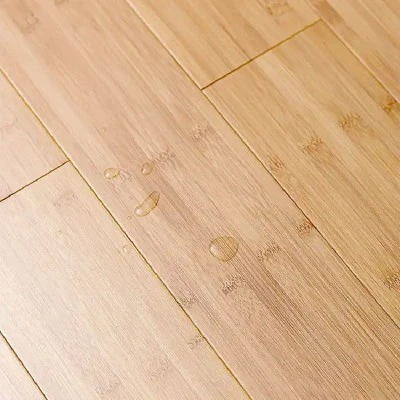
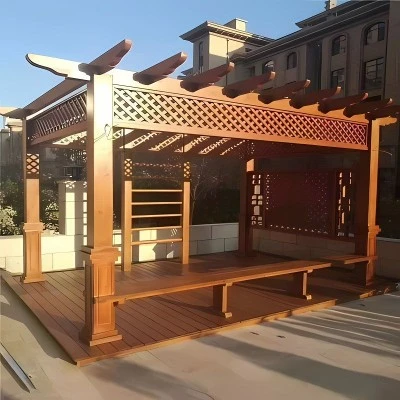
Technical specifications for interior wood products require the selection of appropriate timber or engineered wood panels based on the product's intended function, alongside inspections of material moisture content, strength, and visual quality. Improper control of moisture content can lead to shrinkage, swelling, warping, or even cracking due to fluctuations in the indoor environment; therefore, moisture levels must be carefully managed in accordance with the local climate and indoor usage conditions. Furthermore, dimensions-such as thickness, length, and width-must adhere to design specifications to minimize significant errors during fabrication and installation.
Structural strength and the quality of connections are also critical technical requirements. For products subject to load-bearing or long-term use-such as tables, chairs, cabinetry, and wooden doors-component dimensions and connection methods must be determined based on actual load requirements. Methods such as mortise-and-tenon joints, screws, adhesives, and hardware fittings must ensure sufficient stability, with no visible looseness at connection points. For cabinetry and large furniture, overall stability is paramount to prevent issues like tilting or wobbling caused by flawed structural design. Moving parts, such as doors, windows, and drawers, must operate smoothly without sticking or misalignment.
Surface finishing and construction quality must also meet established standards. Surfaces should undergo necessary processes-such as sanding, edge banding, and finishing-to ensure a flat, smooth texture while minimizing defects like burrs, chips, scratches, and noticeable color variations. For items like wooden doors, cabinetry, and wood paneling, attention must be paid to the quality of joints between components, ensuring uniform seams and a harmonious overall appearance. Coatings and finishing materials should be compatible with the wood substrate and applied according to prescribed procedures to enhance the product's wear resistance and durability.
Finally, interior wood products must comply with requirements regarding environmental safety, user safety, and durability. Given that these products are typically situated in indoor environments for extended periods, materials such as wood panels, adhesives, and coatings must meet relevant environmental standards, minimizing the emission of formaldehyde and other harmful substances. Safety considerations for furniture and decorative elements include the treatment of edges and corners, fire resistance, and general safety in use-specifically avoiding sharp edges or components prone to becoming loose. During long-term use, proper cleaning, maintenance, and inspection should be carried out based on actual conditions, with issues such as cracking, deformation, or loose hardware addressed promptly to ensure the indoor wood products maintain good performance and a long service life.