

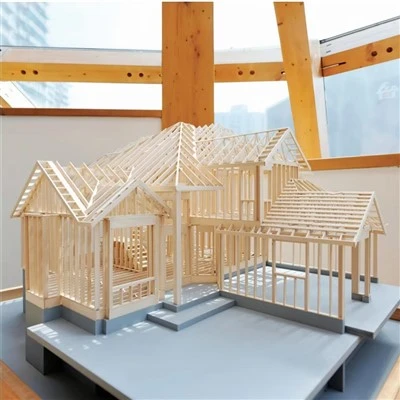
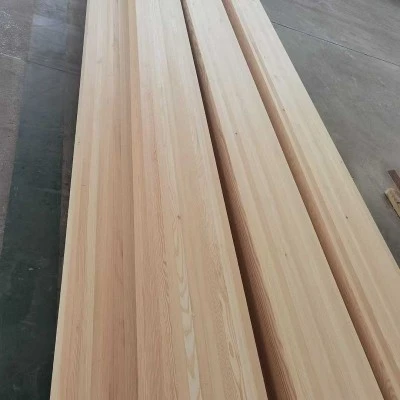
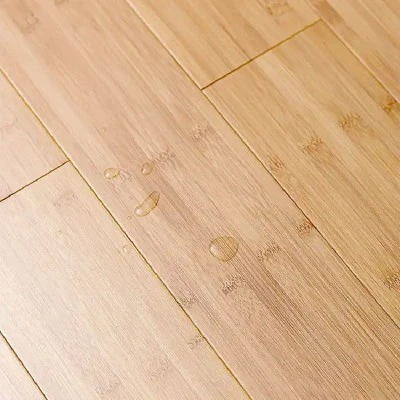

Materials for interior wood products primarily consist of natural wood and engineered wood panels. Natural wood-such as oak, pine, cedar, and cherry-is prized for its organic grain and color, with different species varying in hardness, strength, stability, and workability. Commonly used for furniture, wooden doors, flooring, and decorative elements, natural wood demands high standards regarding grain and appearance. When selecting natural wood, it is essential to consider the uniformity of the material, moisture content, and the presence of defects such as knots, cracks, or insect damage.
Engineered wood panels are another major category of materials used in interior wood products; these include plywood, particleboard, medium-density fiberboard (MDF), and various veneered panels. Compared to natural wood, engineered panels offer greater dimensional uniformity and stability, as well as suitability for mass production, making them widely used in fitted furniture, cabinetry, wardrobes, and interior décor. As different panels vary in strength, moisture resistance, and workability, selection should be based on the specific application environment and product requirements. For instance, cabinet carcasses require panels with adequate load-bearing capacity, whereas areas prone to moisture-such as kitchens and bathrooms-demand materials with superior moisture resistance.
Interior wood products also incorporate auxiliary materials such as adhesives, coatings, hardware fittings, and surfacing materials. Adhesives are primarily used for joining panels and structural components, while hardware is essential for the installation and securing of doors, windows, cabinets, and furniture. Coatings and surfacing materials enhance the surface texture of wood products while providing a degree of protection. When selecting these materials, environmental performance is a key consideration; products-particularly panels, adhesives, and coatings intended for indoor use-should meet relevant environmental standards to minimize the impact of harmful substances on indoor air quality.
With the evolution of the interior renovation and furniture industries, the selection of materials for wood products increasingly prioritizes environmental sustainability, durability, and efficient resource utilization. Some products now incorporate renewable timber, eco-friendly engineered panels, and recycled materials to reduce the consumption of natural wood resources. Furthermore, strategic material combinations allow manufacturers to leverage the specific strengths of different materials, thereby optimizing production costs while ensuring product strength and stability. For interior wood products, the choice of materials affects not only the product's appearance and service life but also the quality of the indoor environment; therefore, it requires comprehensive consideration of factors such as functionality, structure, aesthetics, and environmental sustainability.