


Functional elements are the primary consideration in the design of interior woodwork. Different types of wooden products serve distinct roles within an interior space; for instance, wooden doors facilitate spatial separation and access, cabinets provide storage, and flooring must withstand daily foot traffic and usage. Consequently, the dimensions, structure, and form of the product should be determined based on its specific function, ensuring it meets basic requirements without unnecessarily encroaching on the available space. For furniture and storage units, the height, depth, and internal layout should be rationally arranged to align with user habits and enhance convenience.
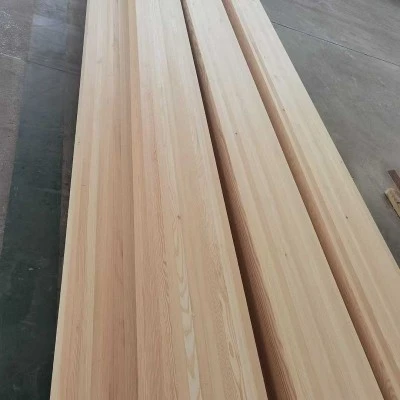
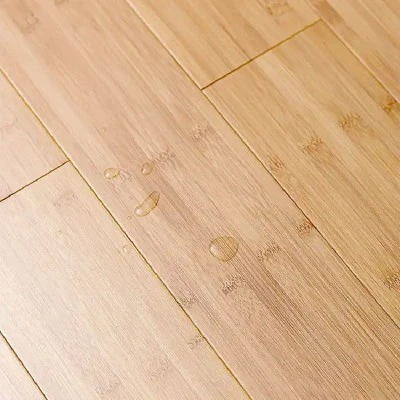
Material selection is another critical factor in interior woodwork design. Different wood species and engineered boards vary in color, grain, hardness, stability, and workability; thus, choices must be made based on the product's intended use. Materials with high strength and wear resistance are preferable for items subject to frequent impact and friction, such as tables, chairs, and cabinets. Conversely, for decorative elements like wall paneling or suspended ceilings, the wood's grain and color can take precedence. Attention must also be paid to moisture content and environmental safety to prevent issues such as warping, cracking, or indoor pollution caused by improper material processing.
The structure and craftsmanship of interior woodwork significantly influence its ultimate performance. Designers must determine appropriate joinery methods-such as mortise-and-tenon, screws, adhesives, or hardware connections-based on the product's load-bearing characteristics, while precisely controlling the dimensional relationships between components. For modular products like cabinets, doors, and windows, ease of installation, disassembly, and future maintenance must also be considered. During fabrication, careful attention to processes such as cutting, sanding, edge banding, and surface finishing ensures secure connections and smooth surfaces, while minimizing defects like burrs and cracks.
Interior woodwork also plays a significant decorative role, requiring designs that harmonize with the overall style and visual aesthetic of the space. The natural grain and color of wood impart a warm, organic feel to an interior, while surface treatments influence the final texture. Designers should select colors, forms, and proportions that complement environmental elements-such as walls, flooring, furniture, and lighting-to avoid jarring visual conflicts between different components. At the same time, the aesthetic appeal of the woodwork can be enhanced through clean lines, balanced proportions, and appropriate detailing, ensuring that it harmonizes with the overall interior style while fulfilling its practical functions.