
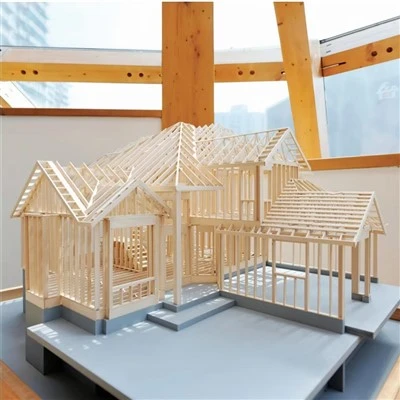
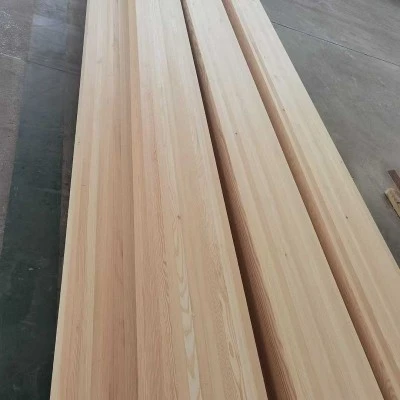
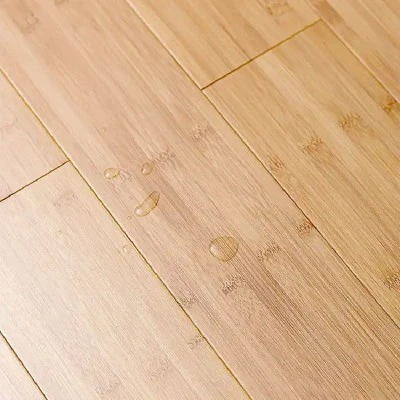
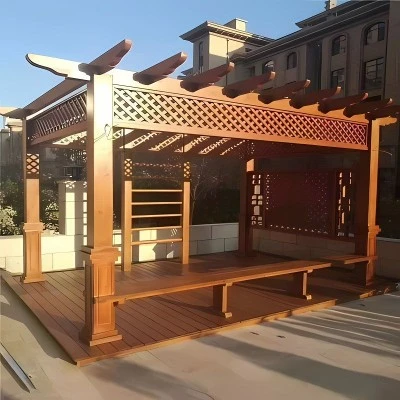
The structural characteristics of interior wood products are primarily defined by the material's inherent stability and workability. Wood is lightweight, moderately strong, and easy to process, allowing for the creation of diverse products-such as furniture, doors, windows, wall paneling, flooring, and cabinetry-tailored to specific interior spaces and functional needs. With its natural grain and color, wood offers excellent visual appeal after cutting, sanding, and surface finishing; it also harmonizes well with other interior materials, fostering a warm, natural atmosphere.
Interior wood products often feature high modularity and assembly flexibility. Items such as furniture, cabinetry, and wood paneling are typically composed of components like boards, timber members, fasteners, and hardware, assembled using methods such as mortise-and-tenon joints, screws, adhesives, or metal connectors. Different components serve specific structural roles-providing support, connection, or load-bearing capacity. For instance, cabinetry relies on side, top, bottom, and shelf panels to form a stable box structure, whereas wooden doors and windows combine frames and panels into complete, functional units. A well-designed assembly enhances the product's overall stability while facilitating installation and future maintenance.
Structural design for interior wood products must also account for the usage environment and human ergonomic needs. Because interior spaces are relatively enclosed, fluctuations in wood moisture content can affect dimensional stability; consequently, manufacturing processes must control moisture levels and incorporate appropriate expansion gaps and connection methods to minimize issues like warping or cracking. For furniture or components subject to sustained loads, factors such as panel thickness, connection methods, and support placement must be determined based on actual stress requirements. Finally, the design must balance safety, aesthetics, and practicality, ensuring the structure meets daily usage demands while remaining in harmony with the overall interior style.