

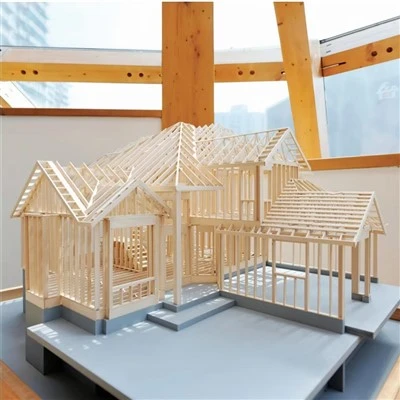
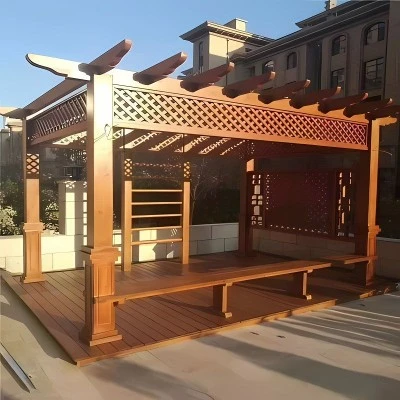
Driven by urban development and evolving lifestyles, the outdoor structure and landscape industry is shifting from a primary focus on aesthetics and ornamentation toward functionality, practicality, and overall environmental quality. As parks, residential communities, commercial spaces, and public urban areas see rising demand for spaces dedicated to resting, shading, socializing, and activities, the use of structures such as pavilions, pergolas, viewing platforms, and outdoor service facilities has become increasingly widespread. Design processes now prioritize human scale, spatial efficiency, and the specific needs of diverse user groups alongside visual appeal, ensuring that outdoor structures effectively serve daily life.
Environmental sustainability has also become a key focus for the industry. Projects are increasingly prioritizing eco-friendly materials, resource efficiency, and the full lifecycle impact of construction, favoring renewable, recyclable, or highly durable materials. Concurrently, optimizing structural forms and construction methods helps minimize material waste and reduce environmental impact during the building process. For structures such as outdoor timber or steel installations, greater emphasis is placed on anti-corrosion, anti-rust, and weather-resistant treatments to extend service life and reduce the resource consumption associated with frequent replacements.
Digital design, modular construction, and smart technologies are also increasingly being applied to outdoor structures and landscapes. Digital modeling and parametric design enable precise control over dimensions, structural integrity, and form, thereby improving coordination between design and construction phases. Modular components shorten construction times while facilitating future maintenance and replacement. Furthermore, some public landscape facilities now integrate features such as lighting, smart sensing, information displays, and energy-harvesting capabilities, offering richer functionality than traditional structures. Looking ahead, the industry will place greater emphasis on the relationship between people and the environment, aiming to enhance the comfort, sustainability, and cultural character of landscape spaces while fulfilling essential functional requirements.