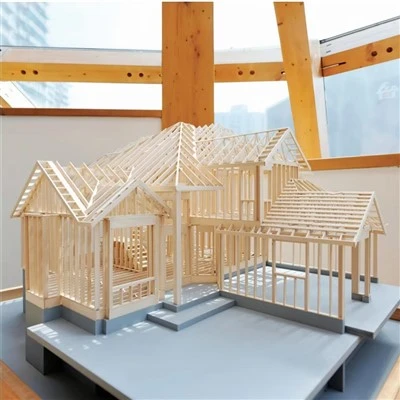
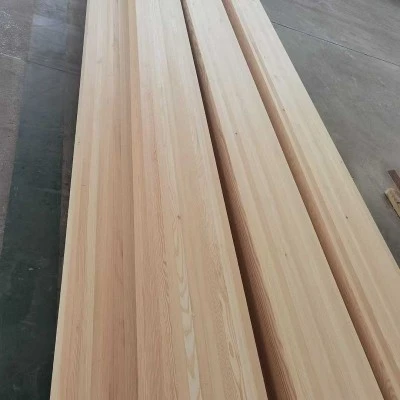

Interior wood products can be categorized by function into furniture, doors and windows, decorative elements, and storage units. Furniture items-such as tables, chairs, beds, and bookcases-primarily serve basic living and office needs; they require structural stability and load-bearing capacity while also accounting for ergonomic dimensions. Doors and windows-including the units themselves and their associated casings-not only facilitate space division, ventilation, and natural lighting but also significantly influence the interior's overall style.
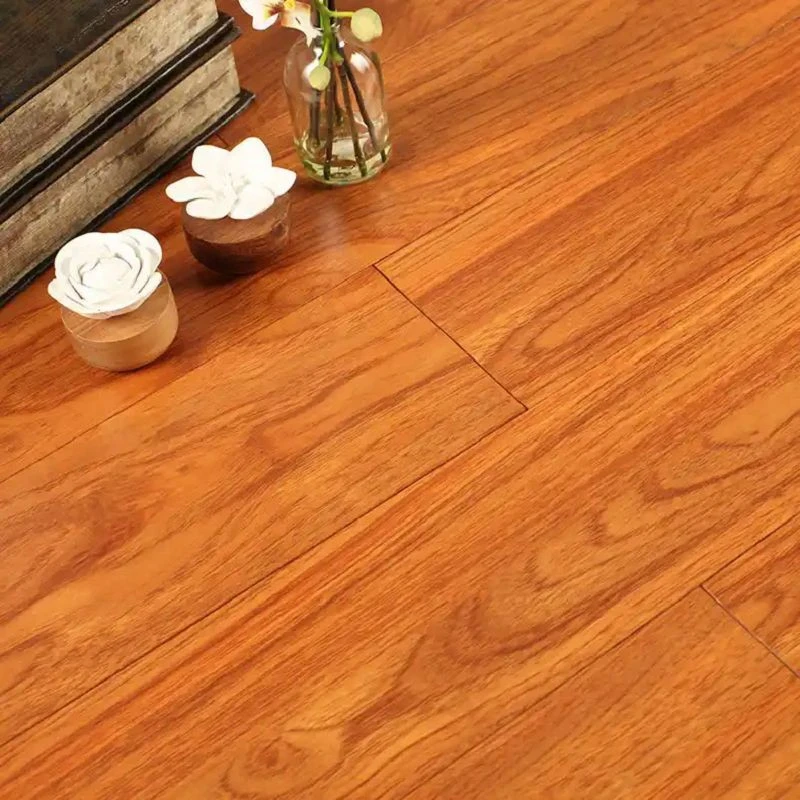
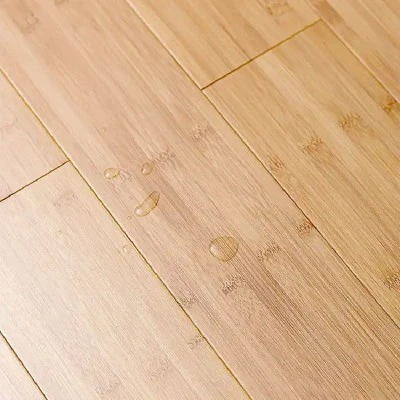
Decorative wood products are primarily used to enhance the visual appeal and atmosphere of an interior space; common examples include wood veneers, wall paneling, flooring, ceilings, and wooden grilles. These products demand high standards regarding material grain, color, and surface texture, and are typically selected to complement the overall design style. Wood's natural grain and warm hues create a natural, comfortable ambiance, while varied installation methods and structural configurations can add spatial depth and layering.
Storage-oriented wood products-such as wardrobes, storage cabinets, bookcases, kitchen cabinetry, and wall units-are designed for organizing and storing everyday items. As these products are often custom-made to fit specific interior dimensions, high precision is required during design and fabrication. Interior layouts-incorporating shelves, drawers, and hanging spaces-are tailored to specific storage needs, ensuring the efficient use of limited space. Some storage units are integrated with walls, doors, windows, or other furniture to further maximize overall spatial utility.