
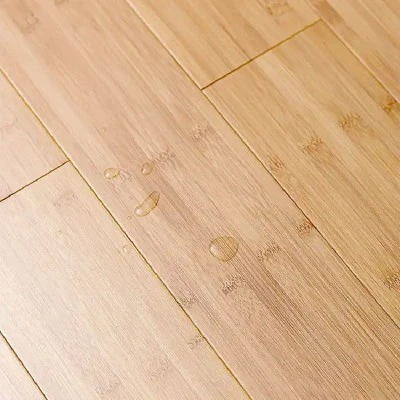
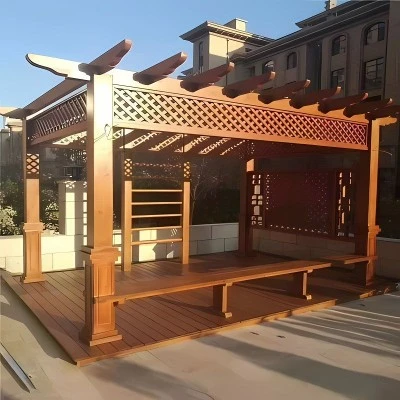
Outdoor structures and landscape features are constantly exposed to the elements-such as rain, sunlight, wind, sand, and temperature fluctuations-necessitating protective measures tailored to their specific environments. Protection ratings primarily reflect a structure's (and its materials') ability to withstand external environmental factors, covering aspects such as waterproofing, moisture resistance, corrosion and rust prevention, and UV resistance. For structures exposed to the outdoors for extended periods-such as pavilions, pergolas, and viewing platforms-material weatherability is a critical consideration to prevent issues like corrosion, cracking, and deformation caused by prolonged environmental exposure.
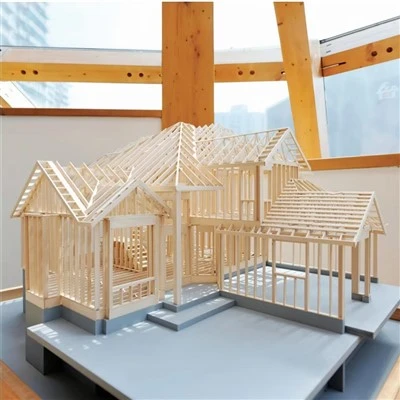
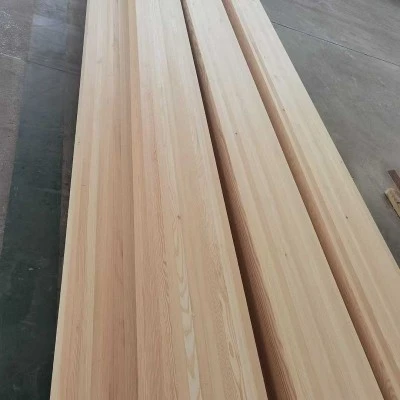
Protection strategies vary depending on the material. Wooden structures require specific treatments against moisture, rot, and insects; durability can be enhanced by applying protective coatings, designing effective drainage systems, and preventing direct, prolonged contact with standing water. Steel structures primarily require rust and corrosion prevention, typically achieved through methods such as applying anti-corrosive coatings or hot-dip galvanizing. Concrete structures require attention to issues like cracking, water seepage, and rebar corrosion, necessitating robust waterproofing and drainage measures during both design and construction. Landscape facilities equipped with lighting or electrical components require additional waterproofing and dustproofing measures suited to their installation environment.
Determining the appropriate protection rating for an outdoor structure requires considering both the specific environment and the structure's importance. For instance, structures located in waterfront areas, humid regions, or zones with high rainfall face a greater risk of water-related damage, requiring stricter waterproofing, moisture-proofing, and anti-corrosion standards. In high-traffic public spaces, the structural safety and durability of elements such as railings, platforms, and seating must be prioritized. Beyond initial protective measures during construction, a system of regular inspection and maintenance should be established to promptly address issues like rust, cracking, coating failure, or loose connections, thereby extending the structure's service life and ensuring long-term safety.