

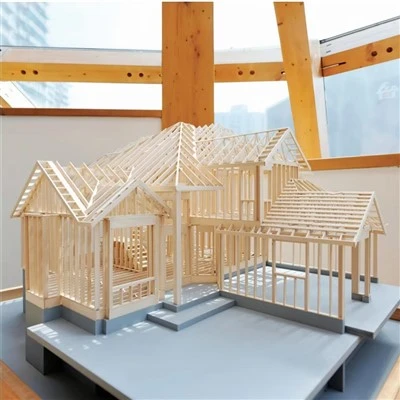
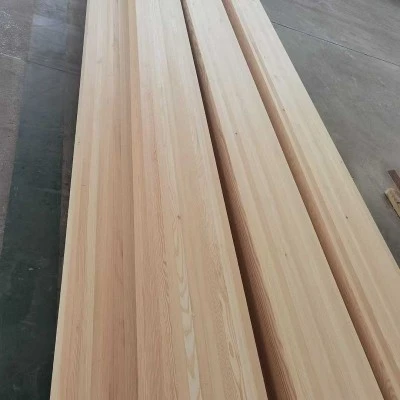
The core construction of outdoor structures and landscape features primarily consists of foundations, main structural frameworks, and enclosure or decorative elements. The foundation serves as the interface between the structure and the ground, bearing loads from the superstructure and ensuring overall stability. Depending on the structure's scale, geological conditions, and functional requirements, various foundation types-such as isolated footings, strip foundations, or pile foundations-may be employed. The main structural framework bears the primary loads; common types include timber, steel, and concrete structures, as well as hybrid structures combining multiple materials. Each structural type entails specific construction characteristics, necessitating selection based on the specific operational environment.
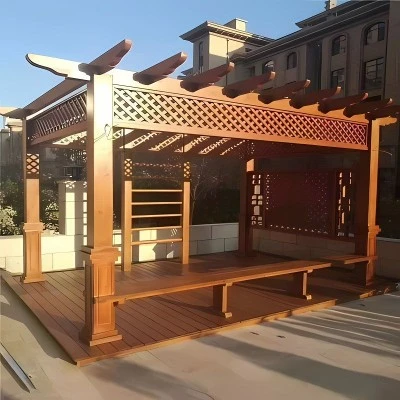
Components within the main framework-such as beams, columns, trusses, and bracing-work together to form a stable load-bearing system. In common structures like landscape pergolas and pavilions, columns primarily bear vertical loads and transfer them to the foundation, while beams and purlins support the roof or other upper elements; bracing components further enhance the structure's overall stability. When subjected to wind, snow, or occupancy loads, the components-interconnected via joints-collaborate to transfer these forces. Consequently, connection methods are a critical aspect of the core construction, with common techniques including bolting, welding, mortise-and-tenon joints, and concrete connections.
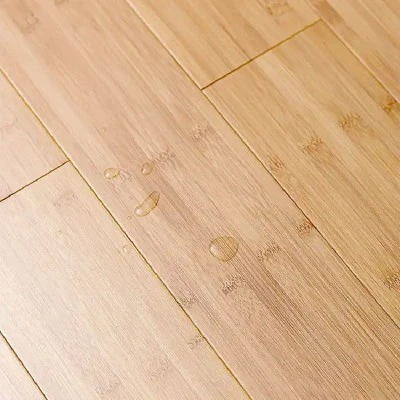
Outdoor structures also require enclosure systems and detailing that harmonize with the surrounding environment. For instance, roofing must ensure effective drainage and waterproofing, while materials like timber and steel require treatments to prevent rot and corrosion. Landscape elements such as seating, railings, and planters must also account for human scale and safety standards. Furthermore, the structure's materials, colors, and forms should align with surrounding vegetation, pathways, water features, and existing architecture, creating a unified blend of structural function and aesthetic appeal. Only through the rational integration of foundations, main frameworks, connection joints, and detailed elements can outdoor structures achieve the necessary safety, durability, and visual quality.