

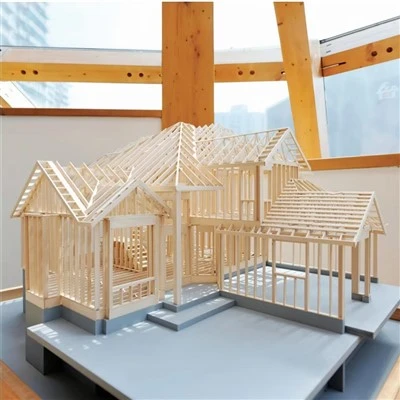
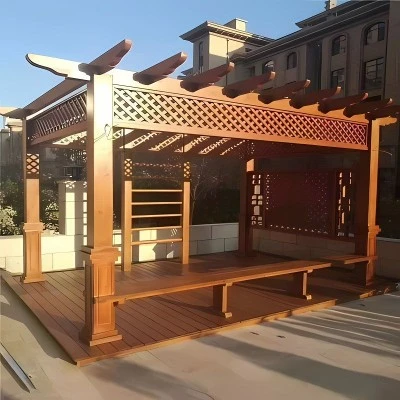
The environmental philosophy behind prefabricated housing and construction is primarily reflected in the reduction of resource consumption and environmental impact during the construction process. While traditional construction involves performing most work on-site-generating significant construction waste, dust, and noise-prefabricated construction shifts the production of certain components to factories. Processing these components in a controlled environment allows for precise control over material usage and minimizes on-site waste. Furthermore, the use of standardized production processes for prefabricated components enhances material utilization rates and reduces the generation of waste materials during construction.
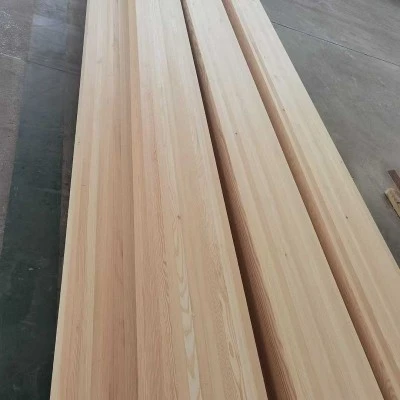
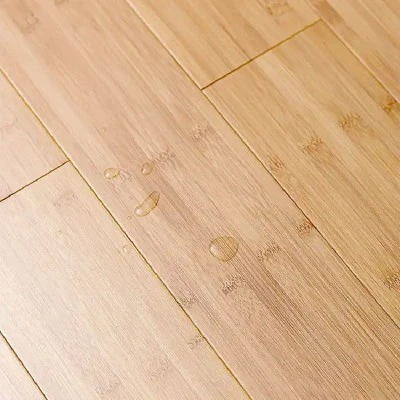
Regarding the selection and use of building materials, prefabricated construction places a strong emphasis on energy efficiency and the rational use of resources. Designers can select materials with superior thermal insulation properties based on the building's location, climate, and functional requirements, while employing optimized wall and roof assemblies to lower energy consumption during the building's operational phase. Materials such as steel, concrete, and timber can be sourced as recyclable or eco-friendly options, thereby reducing resource consumption at the source. Integrating energy-efficient materials with prefabricated components improves the building's overall environmental performance without compromising its functionality.
The environmental philosophy of prefabricated housing also extends to the management of the building's entire life cycle. Beyond addressing environmental impacts during the construction phase, it is essential to consider resource consumption associated with the building's use, maintenance, and eventual demolition. Designing connections that facilitate easy disassembly and replacement minimizes material loss during renovations or demolition, allowing for the reuse of certain components. Additionally, implementing proper maintenance measures extends the building's service life, thereby reducing the resource waste often caused by frequent refurbishments. Consequently, the environmental benefits of prefabricated construction go beyond merely reducing on-site pollution; they stem from a holistic approach that considers design, production, transportation, construction, usage, and demolition to achieve resource conservation and environmental protection.