

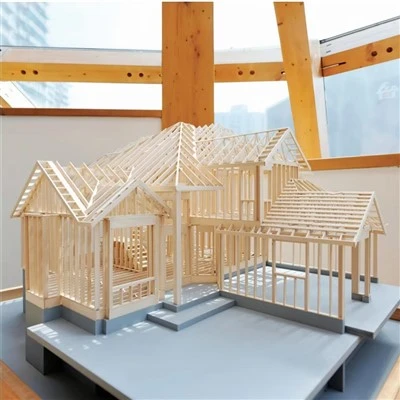
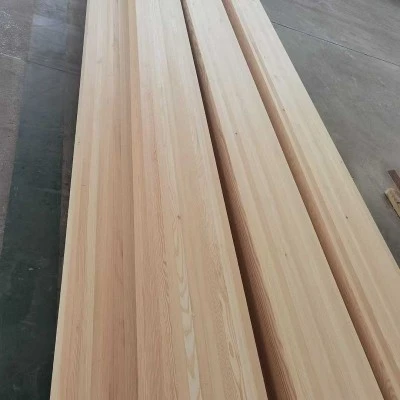


Performance testing for prefabricated buildings primarily aims to determine whether structural components and the overall structure meet design and operational requirements. Testing typically covers aspects such as component dimensions, surface quality, material strength, and connection joints. Upon the arrival of prefabricated components-such as wall panels, floor slabs, beams, and columns-inspections are conducted to check for issues like cracks, chipped corners, or deformation, while also verifying specifications and dimensions. For concrete components, strength testing is performed based on actual conditions to ensure adequate load-bearing capacity, thereby laying the foundation for subsequent installation and use.
Structural performance testing is a critical component of prefabricated building inspections, focusing mainly on the load-bearing capacity, deformation, and stability of both individual components and the overall structure. For flexural members like beams and slabs, load tests or other relevant methods are used to monitor deflection and cracking under various loads; for vertical members such as columns and walls, the focus is on load-bearing capacity and stability. Connection joints between prefabricated components-including welded connections, bolted connections, sleeve grouting, and cast-in-place connections-are also key areas of inspection. Issues such as insecure connections or incomplete grouting at these joints can compromise the safety and structural integrity of the entire building.
Prefabricated buildings also require testing for waterproofing, thermal insulation, sound insulation, and durability in accordance with operational requirements. Waterproofing performance at the joints of exterior wall panels and roofing must be rigorously checked to prevent leakage, while the thermal insulation properties of the building envelope are assessed to ensure compliance with energy-efficiency standards. For prefabricated buildings in long-term use, durability issues-such as rebar corrosion, concrete deterioration, and joint cracking-must also be monitored. Comprehensive testing of materials, components, connection joints, and overall building performance enables the timely identification of issues arising during construction or use, providing a basis for acceptance, repair, and ongoing maintenance.