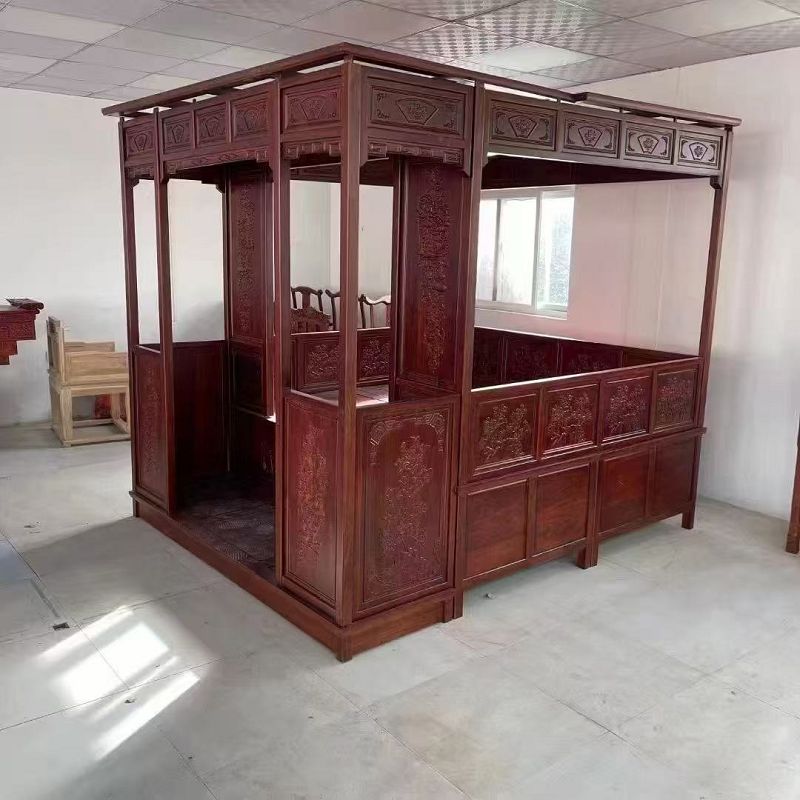
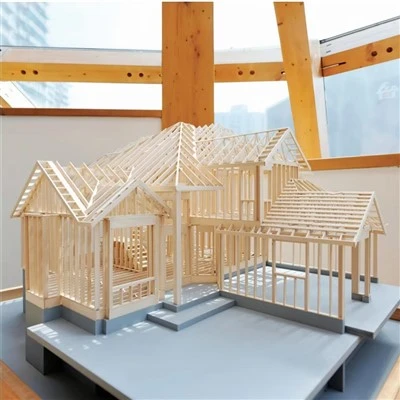
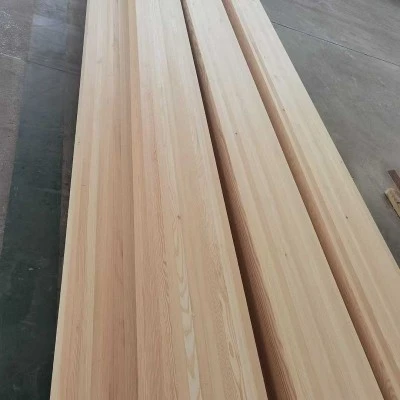
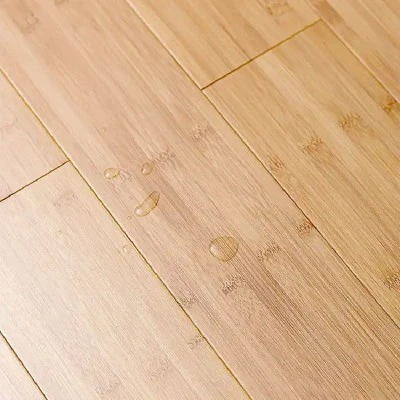

Inspecting interior wood products begins with an assessment of material and aesthetic quality. Inspections should cover the specifications, dimensions, moisture content, and surface quality of the wood or engineered wood panels, checking for obvious defects such as cracks, warping, deformation, insect damage, or rot. For finished items like furniture, wooden doors, and cabinetry, it is also necessary to verify surface flatness, color and grain harmony, and the integrity of edge banding, joinery, and decorative finishes. These fundamental checks determine whether the wood products meet design and manufacturing requirements.
Structural performance is another critical aspect of inspecting interior wood products. For items with load-bearing requirements-such as furniture, cabinets, and wooden doors-inspectors must verify the security of connections, paying particular attention to mortise-and-tenon joints, screws, glued joints, and hardware fittings. Furniture such as tables, chairs, and beds must be tested for load-bearing capacity and stability to ensure there is no significant wobbling, tilting, or loose connections. For cabinetry and large wood products, the overall structure should be checked for deformation, and movable parts must be verified for proper functionality.
Environmental performance is also a key focus of the inspection process. Since wood products are used in indoor environments over the long term, the release of harmful substances from materials such as engineered wood panels, adhesives, and coatings must be monitored. Testing should be conducted in accordance with relevant standards to measure formaldehyde emissions and other regulated harmful substances, while also verifying that the materials and surface treatments comply with applicable environmental regulations. Particular emphasis should be placed on material safety and environmental performance for products that involve frequent human contact, such as children's furniture and bedroom furniture.
Durability and functional performance must also be assessed based on the specific intended use of the wood products. For instance, wood flooring requires evaluation of wear resistance, impact resistance, and dimensional stability; wooden doors require checks on opening, closing, and hardware operation; and cabinetry requires assessment of the load-bearing capacity of shelves and connection points. For wood products with surface finishes, inspectors should also check for issues such as peeling, blistering, or noticeable scratches on the paint film or veneer. Comprehensive testing across these various dimensions-materials, appearance, structure, environmental performance, and functionality-allows for a thorough assessment of the quality and practical performance of interior wood products.