

Industry standards for interior wood products primarily serve to regulate requirements regarding materials, production, quality, and usage; standards vary depending on the specific type of wood product. Products such as furniture, wooden doors, flooring, wall paneling, and engineered wood panels are subject to specific quality requirements covering aspects such as dimensional tolerances, aesthetic quality, structural strength, durability, and environmental performance. Establishing unified standards helps regulate production and quality while facilitating product inspection and acceptance by consumers and construction contractors.
Material quality and environmental performance are key components of these standards. Wood and engineered wood panels must meet specific quality criteria, and auxiliary materials-such as adhesives and coatings-must comply with environmental regulations for indoor use. Particular attention is paid to the emission of harmful substances, such as formaldehyde, in engineered wood panels and furniture. Manufacturers must control material quality during selection and conduct testing in accordance with relevant requirements to prevent substandard materials from compromising indoor air quality.
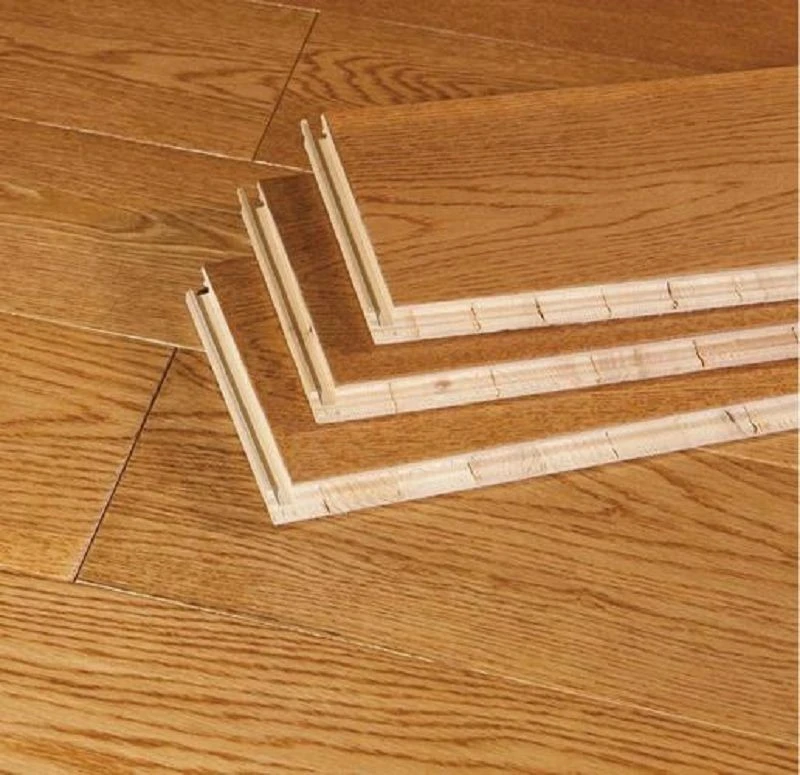
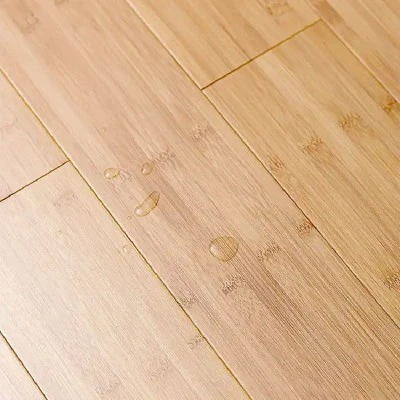
Structural safety and overall product quality are also central focuses of industry standards. Furniture items such as tables, chairs, cabinets, and beds must possess adequate load-bearing capacity and stability, with no significant looseness in joints or connections. Wooden doors and windows must meet requirements regarding dimensions, installation, and operational performance. Decorative products like wood flooring and wood veneers are evaluated for wear resistance, dimensional stability, and surface finish quality. Setting specific technical requirements for different products helps minimize issues such as warping, cracking, or loosening during use.
In addition to meeting product-specific standards, interior wood products must be installed and inspected in accordance with relevant building and interior renovation codes. Manufacturers should strengthen quality control across raw material procurement, processing, and pre-shipment inspection, while contractors must ensure installation follows design specifications and verify dimensions, connections, and surface quality. Consumers can assess compliance by checking product certificates of conformity, test reports, and relevant labels. Consistent adherence to these standards across production, testing, installation, and usage enhances the overall quality and safety of interior wood products.