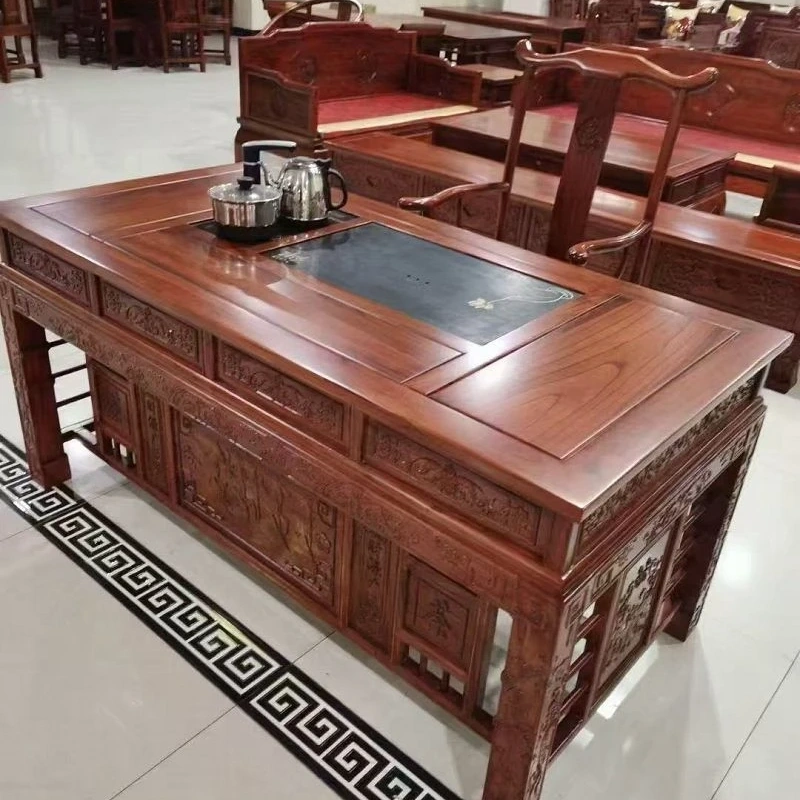
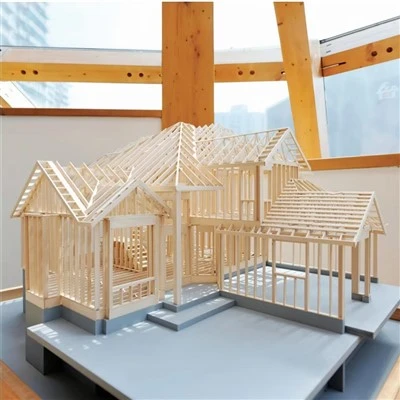
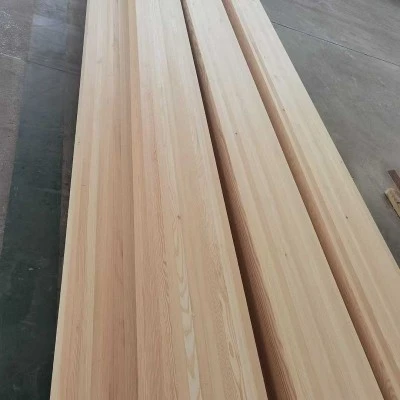
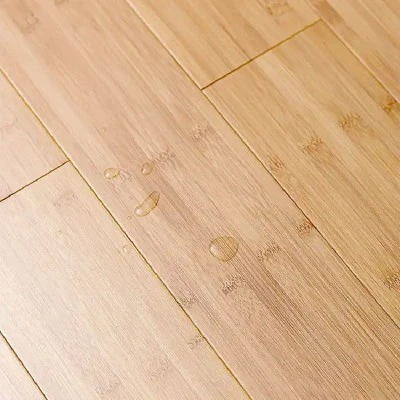
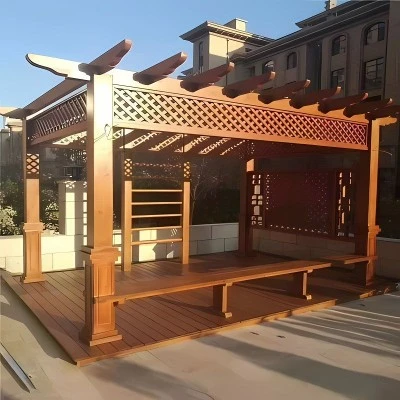
Interior wood products offer significant practical value, serving as essential components of furniture, doors, windows, cabinetry, and decorative elements within an interior space. Various types of wood products cater to diverse needs-such as storage, spatial partitioning, and seating-thereby enhancing the functionality of the interior environment. For instance, wardrobes and storage cabinets maximize space utilization; wooden doors effectively partition areas; and wood flooring and paneling improve the overall indoor atmosphere. Thoughtful design regarding dimensions and structure allows wood products to adapt seamlessly to various floor plans and usage requirements.
Wood products also possess considerable decorative value. The natural grain and color of wood impart a warm, organic aesthetic to interiors, with different wood species and processing techniques creating distinct stylistic characteristics. Combinations of wood flooring, wall paneling, latticework, and furniture enrich the spatial depth and texture of an interior. Furthermore, wood pairs harmoniously with materials such as glass, metal, and stone, creating visually dynamic spaces that simultaneously meet functional needs.
From the perspectives of environmental protection and resource utilization, interior wood products offer ecological benefits. Wood is a renewable material with strong potential for resource circularity when forest resources are managed responsibly. Many wood products can be recycled, reprocessed, or reused at the end of their service life, thereby minimizing material waste. Additionally, resource consumption during production can be reduced through optimized manufacturing processes. However, the actual environmental impact depends on factors such as the wood's origin, processing methods, and the types of adhesives and finishes used; thus, a holistic view of both materials and production processes is essential.
Finally, interior wood products hold cultural and lifestyle significance. Wood has a long history in architecture and furniture making, with distinct woodworking techniques and decorative styles evolving across different regions. Modern interior design integrates traditional craftsmanship with contemporary processing technologies and design concepts, allowing wood products to align with modern lifestyles. By skillfully leveraging the material properties of wood and traditional techniques, designers can enhance the cultural atmosphere and sense of livability within a space, ensuring that wood products offer not only functional utility but also aesthetic value and cultural depth.