

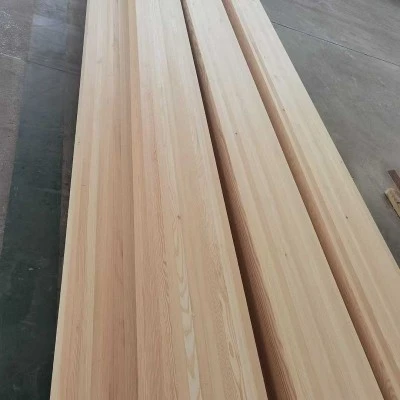


Before transport, indoor wood products must be properly categorized, packaged, and secured. Given the variations in size, weight, and structure among different types of wood products, packaging methods should be selected based on specific product characteristics. Large items such as furniture, wooden doors, and cabinetry generally require protection using cardboard, foam, EPE (expanded polyethylene) foam, or other cushioning materials, with particular attention paid to safeguarding edges, corners, surfaces, and joints. For panels and long components prone to deformation, appropriate support and securing methods must be employed to prevent crushing or impact damage during transit.
Precautions against moisture, rain, and sun exposure are essential during transport. Wood is hygroscopic; prolonged exposure to damp environments can lead to swelling, deformation, or even mold growth. Therefore, transport vehicles and packaging must offer adequate water resistance. In rainy or snowy weather, timely covering measures should be taken to prevent direct contact with precipitation. Additionally, wood products should not be exposed to intense sunlight for extended periods, as rapid changes in moisture content can cause cracking, warping, or surface discoloration. For products with finished surfaces (painted or veneered), care must be taken to prevent prolonged friction between packaging materials and the finish.
Handling procedures during loading and unloading should align with the structural characteristics of the wood products. When moving large cabinets, wooden doors, or assembled furniture, the correct orientation for load-bearing should be maintained; direct dragging or single-point lifting must be avoided to prevent component deformation or damage to joints. During loading, the arrangement of products should be carefully planned: heavier items should be placed in stable positions and secured with straps or similar restraints. Adequate cushioning materials should be placed between different products to prevent collisions caused by vehicle vibrations or bumps during transit.
Upon arrival at the construction site or destination, wood products require inspection and proper storage. First, the integrity of the packaging should be checked, and the quantity, specifications, and visual quality of the products verified; any instances of damage, deformation, or moisture exposure must be promptly recorded and addressed. Storage should take place in a dry, well-ventilated indoor environment away from direct sunlight. Panels and components should not be placed directly on the ground but supported by dunnage or shelving units. Products requiring on-site installation should be organized by category and installation sequence to minimize the risk of secondary damage caused by frequent handling.