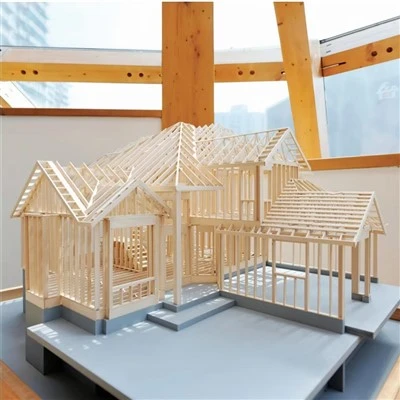
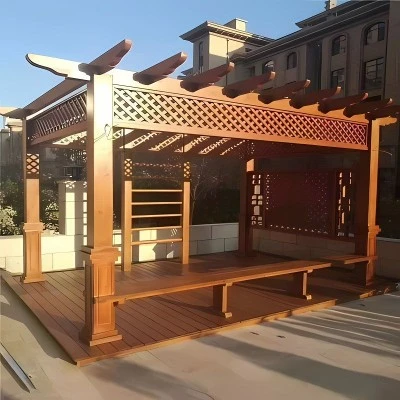
The origins of interior woodwork are closely linked to early human utilization of timber. Due to its accessibility, light weight, and ease of processing, wood was used early on to create everyday objects and simple shelters. With the evolution of primitive architecture and hand tools, wooden items progressed from basic utensils to functional interior elements such as doors, windows, tables, and stools. While early production methods were relatively simple-relying primarily on manual cutting, sanding, and joinery-they established fundamental structural forms and usage patterns.
As architectural and woodworking techniques advanced, the application of wood in interior spaces expanded. In ancient China, wood served as a vital material for both architecture and furniture, fostering distinctive traditional craftsmanship such as mortise-and-tenon joinery, carving, and lacquering. Wooden furniture, doors, windows, screens, and decorative components not only met daily needs but also became integral to architectural spaces. Social lifestyles and aesthetic values across different historical periods significantly influenced the form, structure, and ornamentation of wooden products, imbuing them with both practical utility and artistic merit.
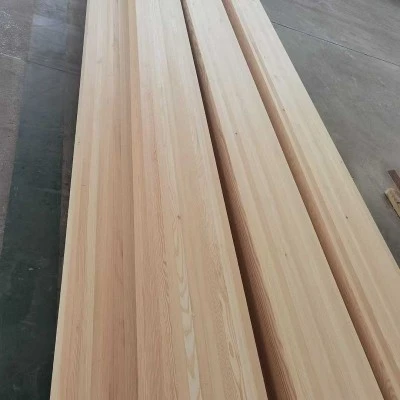
The advent of mechanical processing technologies transformed the production of interior woodwork. Traditional manual craftsmanship began to integrate with mechanized production, dramatically increasing efficiency in cutting, planing, drilling, and surface finishing. Concurrently, the introduction of engineered wood panels, advanced adhesives, and modern hardware connectors diversified structural designs and boosted productivity. Consequently, the industry shifted from a reliance on bespoke manual craftsmanship toward standardized, mass, and industrial-scale production.
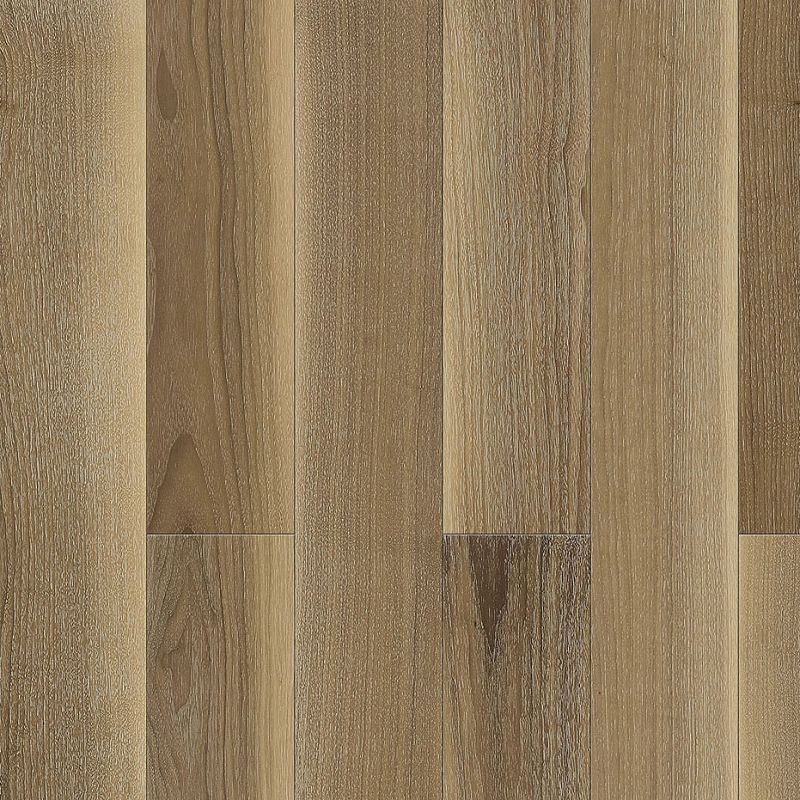
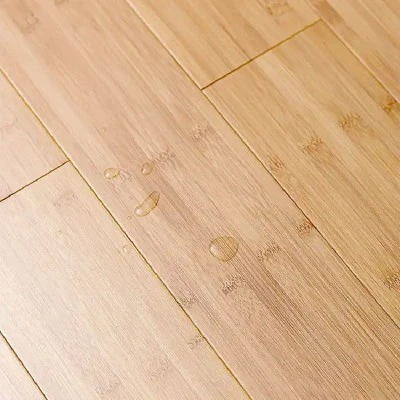
The variety and scope of modern interior woodwork have expanded far beyond traditional furniture to encompass wood flooring, doors, integrated cabinetry, wood paneling, latticework, and various custom products. As demands for living environments, environmental sustainability, and personalized design rise, the materials, processing techniques, and design forms of wooden products continue to evolve. Modern technology preserves the natural texture of wood while enhancing dimensional precision, stability, and performance, establishing interior woodwork as a key element in contemporary spaces that combines functionality, aesthetics, and cultural value.