

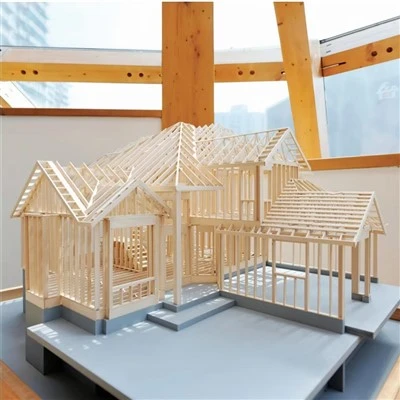
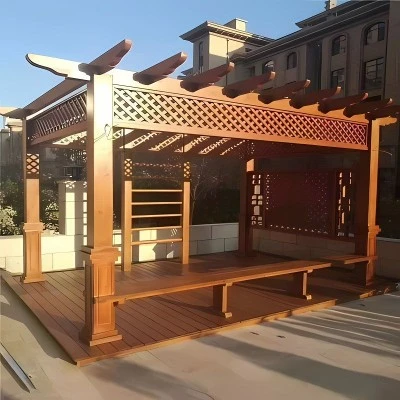
The maintenance of prefabricated houses and buildings should begin with routine inspections, focusing on the condition of structural components and connection points. Major components-such as wall panels, floor slabs, beams, and columns-may develop issues like cracking, deformation, or water seepage over time; therefore, regular inspections are essential to detect anomalies early. Areas prone to leakage, such as exterior wall joints, perimeters of doors and windows, and roofing, require heightened inspection and maintenance. Sealants should be repaired promptly if they show signs of aging or if joints crack, preventing rainwater ingress that could compromise the wall and structural integrity.
Connection nodes and component surfaces are also critical areas for maintenance. Prolonged exposure to temperature fluctuations, humidity, and structural loads can cause loosening, corrosion, or performance degradation in bolts, welded joints, and grouted connections; these must be inspected and addressed based on the building's actual usage. For precast concrete components, any significant surface cracking, spalling, or rebar corrosion requires prompt analysis of the cause followed by appropriate repair or reinforcement measures. Attention should also be paid to exterior insulation and decorative layers to detect issues like detachment or hollow spots, preventing minor damage from escalating.
Maintenance strategies for prefabricated housing must also account for long-term use and potential changes in building function. Beyond repairing existing issues, regular inspections of plumbing, electrical systems, and interior finishes are necessary to ensure the continued proper operation of all building systems. If the building's function changes, care must be taken to avoid the arbitrary alteration or removal of load-bearing walls, beams, columns, or critical connection nodes, as this could jeopardize overall structural safety. By implementing a management approach that combines regular inspections, timely repairs, and targeted maintenance of critical areas, the service life of prefabricated buildings can be extended while maintaining the stability of their structure and functionality.