

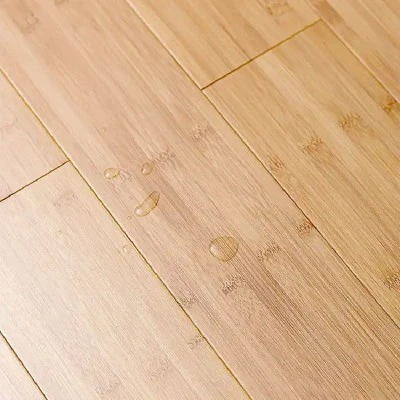
Indoor temperature and humidity directly affect the condition of wood products. Wood is hygroscopic-meaning it absorbs and releases moisture-so significant fluctuations in indoor humidity can easily lead to issues such as swelling, shrinking, cracking, and warping. Therefore, it is important to maintain a stable indoor environment during daily use and avoid exposing wood products to excessively humid or dry conditions for extended periods. In high-humidity areas like kitchens and bathrooms, special attention should be paid to ventilation and waterproofing; any moisture on the surface of wood products should be wiped off promptly to prevent it from seeping into the material.
Regular inspection and maintenance are also required for the lacquer finishes, surface veneers, and joints of wood products. If scratches, paint loss, or peeling are detected, repairs should be made promptly to prevent the damage from spreading. Hardware components such as hinges, drawer slides, and screws may loosen or rust after prolonged use and should be adjusted or replaced in a timely manner. For items subject to frequent movement or load-bearing-such as wooden doors and cabinetry-connections should be checked for stability to ensure that minor damage does not compromise overall functionality.
Indoor wood products should be protected from prolonged exposure to direct sunlight and high temperatures. Intense ultraviolet (UV) rays can alter the wood's color, while excessive heat can accelerate material aging. Furniture should be placed away from heat sources like radiators and stoves, and direct sunlight can be minimized using curtains or blinds. Wood products that have been in use for a long time require comprehensive inspection and maintenance tailored to their condition, with issues like warping, cracking, or loosening addressed promptly. Proper cleaning, environmental control, and regular maintenance can effectively extend the lifespan of indoor wood products while preserving their appearance and performance.