

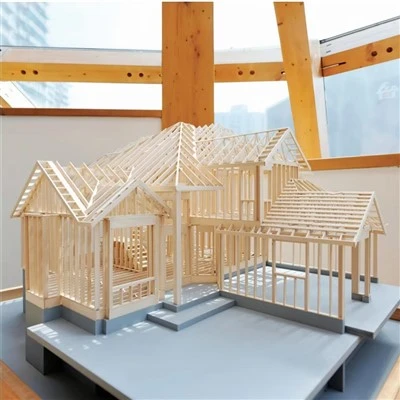
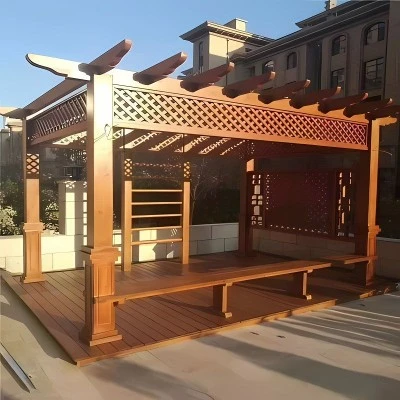
Outdoor structures and landscape features possess significant artistic expressive power, enriching the spatial environment through their form, scale, materials, and color. While facilities such as pavilions, pergolas, viewing platforms, and landscape accents serve practical functions, their forms also act as visual elements within the landscape. Through the careful management of proportion, line, and volume during the design process, distinct spatial effects can be created, adding depth and variety to an otherwise monotonous environment. In settings such as gardens, parks, and public spaces, these structures can serve as distinctive landscape landmarks.
Outdoor structures also reflect regional culture and architectural character. Differences in natural environments, history, culture, and architectural traditions across regions result in varied forms and material choices for these structures. For instance, the use of traditional timber framing, local stone, or regionally specific decorative elements can forge a connection between the structure and its cultural context. By creatively adapting traditional forms through modern design techniques, it is possible to preserve cultural identity while meeting contemporary aesthetic and functional needs, thereby enriching the cultural significance of the landscape.
Furthermore, outdoor structures hold artistic value in organizing landscape space and shaping atmosphere. They interact with elements such as vegetation, water bodies, topography, and pathways, creating rhythmic spatial experiences through contrasts in height, density, and the interplay of solid and void. Varying materials produce different visual effects as lighting and time shift, lending a dynamic quality to the landscape. Well-designed outdoor structures not only enhance spatial utility but also elevate the overall visual quality and cultural character of the landscape, fostering a more natural connection between people and their environment.