

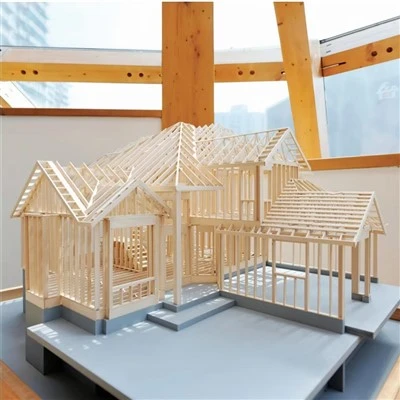
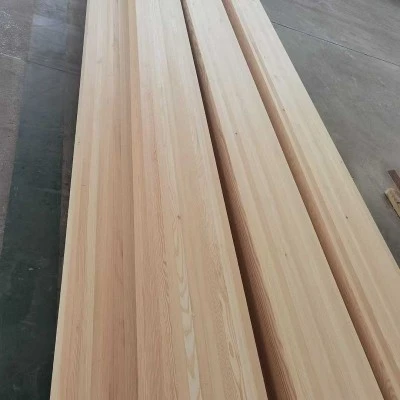
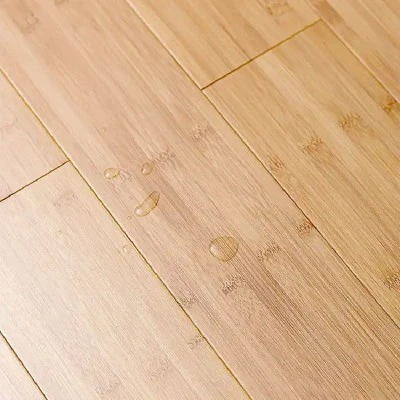

The fundamental principles of interior woodwork center on leveraging the material properties of wood-through sound structural design and processing techniques-to meet the functional requirements of interior spaces. Wood offers excellent workability and adequate strength; it can be shaped into various components via sawing, planing, drilling, and grooving, and subsequently assembled using methods such as mortise-and-tenon joinery, gluing, screws, or hardware fittings. During the design phase, component dimensions and connection methods must be determined based on the specific function of the woodwork, ensuring that all parts integrate effectively to form a stable, cohesive whole.
Wood's natural tendency to undergo changes in moisture content is a critical factor in the design and fabrication of interior woodwork. Fluctuations in indoor temperature and humidity cause the wood to absorb or release moisture, resulting in dimensional changes. Without appropriate structural measures, issues such as cracking, warping, and deformation may occur. Consequently, the wood must be properly dried and its moisture content controlled during fabrication; furthermore, adequate allowance for expansion and contraction must be incorporated into component connections and panel installations to enable the woodwork to accommodate normal environmental variations.
Interior woodwork must also ensure safety through sound structural design capable of withstanding loads. Furniture, cabinetry, wooden doors, and other wooden components are subjected to varying degrees of stress during use; therefore, component cross-sections and support systems must be determined based on actual load-bearing requirements. For instance, tables and chairs primarily bear loads through their legs and connecting elements, whereas cabinets rely on a combination of side panels, shelves, and back panels to achieve structural stability. The integrity of connection joints directly impacts the overall stability of the woodwork; thus, precision in joinery is paramount during design and fabrication to prevent looseness or structural deformation.