

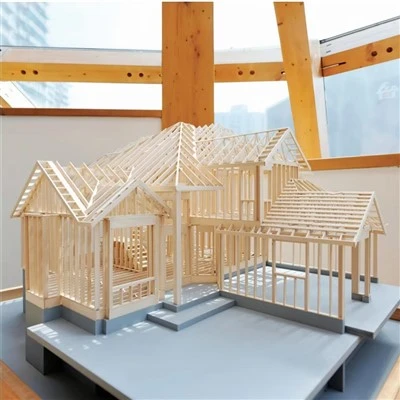

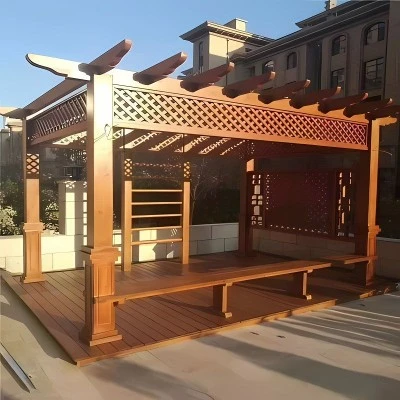
The construction process for prefabricated buildings begins with the production and processing of components. Components such as wall panels, floor slabs, beams, and columns must be manufactured according to design drawings, with strict control over dimensions, reinforcement layout, concrete pouring, and curing. Demolding, transportation, and hoisting may only proceed once the components have reached the specified strength; during production, careful attention must be paid to the positioning of embedded parts and connection points to prevent dimensional deviations from affecting subsequent installation. Components exhibiting obvious quality defects-such as surface cracks or chipped corners-must be inspected and rectified promptly to ensure that only components meeting usage requirements reach the construction site.
On-site installation is a critical phase of prefabricated building construction. Once transported to the site, components must be hoisted and positioned according to the installation sequence, with hoisting equipment and personnel deployed efficiently based on site conditions. During installation, precise control over component positioning, elevation, and verticality is essential to ensure accurate connections between wall panels, beams, columns, and floor slabs. For large or heavy components, transport routes, hoisting sequences, and temporary support measures must be planned in advance to prevent collisions or tilting during transport and installation. Upon completion of installation, components must be secured and aligned promptly to ensure structural stability.
Joint connections and seam treatments are also key areas of focus in prefabricated building construction. Components are typically integrated through methods such as rebar connections, sleeve grouting, bolted connections, or cast-in-place concrete; the quality of these connections directly impacts the building's safety and durability. Consequently, joint construction must strictly adhere to design specifications, with rigorous quality checks performed on processes such as grouting, welding, and concrete pouring. Additionally, elements such as exterior wall panels and floor slabs require proper waterproofing, thermal insulation, and sealing to minimize rainwater leakage and heat loss. Comprehensive control over the entire lifecycle-from component production and transport to installation and joint treatment-enhances the construction quality and overall performance of prefabricated buildings.