

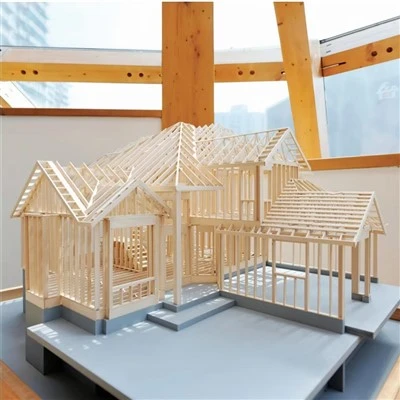
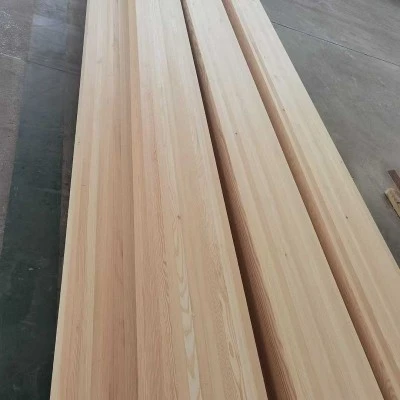
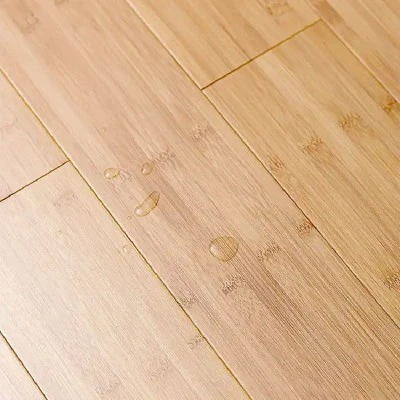
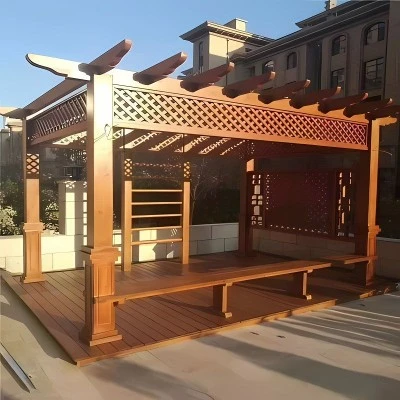
The construction of prefabricated housing primarily involves manufacturing specific building components in a factory or prefabrication yard before transporting them to the site for assembly and connection. Unlike traditional on-site construction, which proceeds step-by-step, prefabrication shifts certain construction phases to a factory setting, allowing for standardized control over component dimensions, quality, and manufacturing precision. Common prefabricated components include wall panels, floor slabs, beams, columns, and staircases; these are produced according to design specifications and, upon delivery to the site, are lifted and connected to form the complete structural framework.
Prefabricated housing can take various structural forms depending on the structural system and the method of component assembly. Prefabricated panel structures, for instance, rely on the assembly of components such as wall panels and floor slabs, making them suitable for residential buildings and other structures with high levels of standardization. Prefabricated frame structures consist of beams, columns, and floor slabs connected at joints to form the main skeleton, offering flexibility in spatial layout. Additionally, modular construction divides the building into relatively complete spatial units; a significant portion of the construction is completed in the factory before the units are transported to the site for final assembly. This approach further reduces on-site labor and accelerates the construction process.
The success of prefabricated architecture hinges on the connection methods between components and the stability of the overall structure. During on-site installation, methods such as welding, bolting, sleeve grouting, or cast-in-place connections are employed-in accordance with design specifications-to integrate the prefabricated components into a reliable, unified structure. Connection joints must not only meet load-bearing requirements but also accommodate the building's overall deformation under forces such as wind loads and seismic activity. Furthermore, careful attention must be paid to detailing-including wall panel joints, waterproofing, thermal insulation, and soundproofing-to prevent gaps between components from compromising the building's performance. Consequently, the construction of prefabricated housing encompasses not only the components themselves but also the critical aspects of joint connections and seam treatments.