

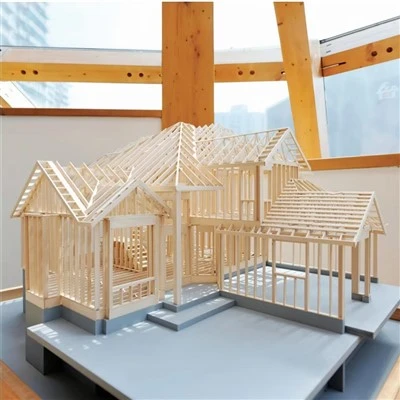
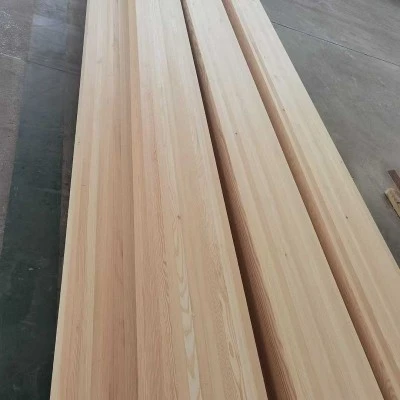

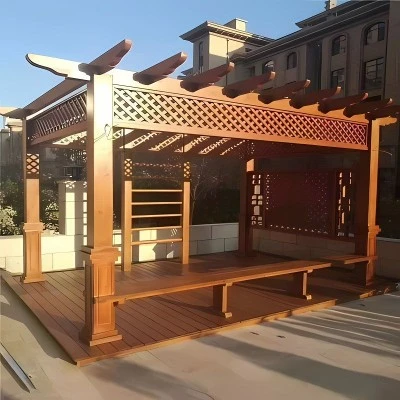
Large-scale structural timber plays a pivotal role in traditional architecture, serving as the primary load-bearing and framing material across a wide range of applications. Key structural elements-such as columns, beams, purlins, and tie-beams-are typically crafted from substantial timber members and joined using techniques like mortise-and-tenon joints to form a stable, cohesive structure. Renowned for their excellent load-bearing capacity and adaptability to the flexible spatial layouts characteristic of traditional timber architecture, these materials are commonly found in palaces, temples, residences, and ancestral halls. Timber dimensions, species, and processing methods vary depending on the building's scale, function, and regional characteristics.
Primarily utilized for the building's structural skeleton, large-scale timber is essential for ensuring structural stability and integrity. For instance, columns support the loads from the roof trusses and roofing, while beams and tie-beams transfer and distribute structural forces, and purlins provide further support to the roof system. Given the high degree of interdependence among these components, the selection of timber, its dimensions, and the precision of its fabrication directly impact the building's safety and longevity. Consequently, the restoration and reconstruction of traditional buildings require a careful assessment of timber specifications, connection methods, and load-bearing dynamics, all while respecting the original structural form.
The application of large-scale structural timber has also expanded into the realms of modern architecture and period-style (replica) buildings. In the restoration of historic structures, it is frequently used to replace decayed, cracked, or damaged beams and columns, ensuring the preservation of the building's original structural characteristics and aesthetic appearance. In modern period-style and certain timber-frame buildings, large-dimension timber is employed for primary load-bearing elements, allowing structures to combine traditional spatial qualities with modern functionality. Furthermore, advancements in timber processing technology have continuously improved fabrication precision and quality control, paving the way for broader application in architectural projects.