

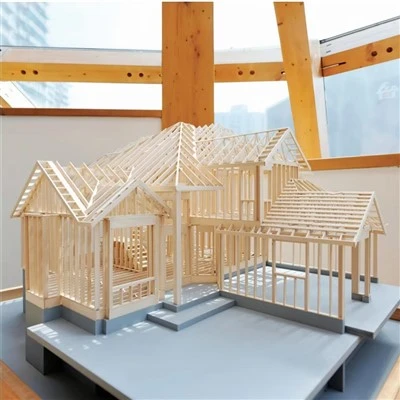
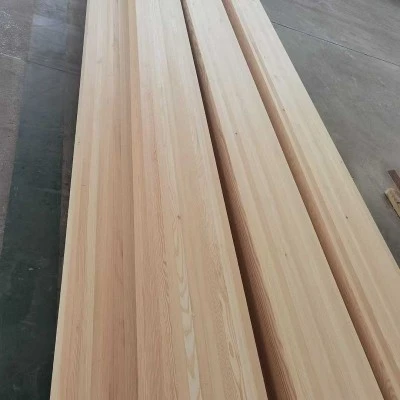

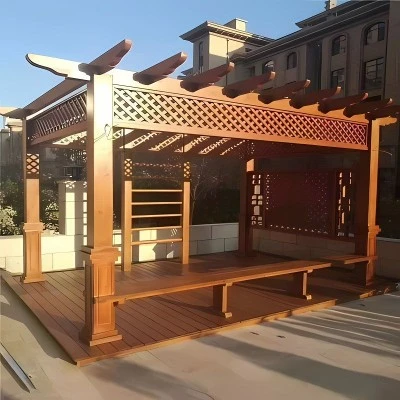
Large-scale timber structures primarily utilize wood as a load-bearing material, characterized by low self-weight, high strength, and good elasticity. As a natural material, wood exhibits outstanding tensile and compressive strength along the grain, combined with inherent toughness. Compared to reinforced concrete structures, large-scale timber structures reduce the building's dead load, thereby imposing lower bearing capacity requirements on the foundation. Wood also offers excellent thermal insulation properties, making it valuable for both traditional and modern timber architecture.
Key components of these structures include columns, beams, tie beams, purlins, rafters, and *dougong* (bracket sets), each serving a distinct structural function. Columns primarily bear vertical loads and transfer them to the foundation, while beams and tie beams support floor or roof loads and transfer them to the columns. Purlins and rafters form the primary load-bearing framework for the roof. Traditional timber structures typically employ joinery techniques-such as mortise-and-tenon joints-to integrate components into a unified structural system capable of accommodating deformation.
Another characteristic of large-scale timber components is the flexibility they offer during fabrication and installation. Wood can be processed via sawing, planing, and chiseling, allowing component dimensions and shapes to be adjusted according to architectural design specifications. In traditional architecture, the selection and processing of large timber components often depend on the specific material properties, grain patterns, and natural defects of the wood, placing high demands on the carpenter's skill and experience. In contrast, modern timber structures increasingly rely on mechanical processing and standardized production, resulting in greater precision in component fabrication and improved construction efficiency.