

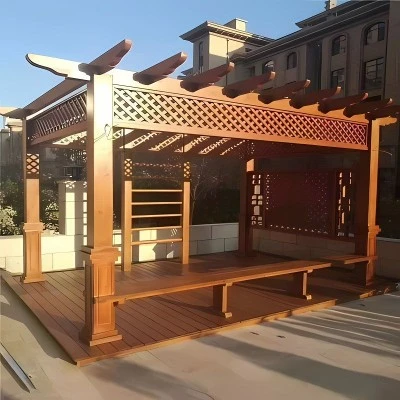
Outdoor structures and landscape elements are typically characterized by a high degree of openness and adaptability to their environment. Unlike indoor architecture, these facilities are constantly exposed to the elements-such as sunlight, rain, wind, and seasonal changes-over the long term. Consequently, the design and construction processes must not only ensure structural integrity but also thoughtfully integrate the structures with the site's topography, climate, and surrounding environment. Common examples include pergolas, pavilions, landscape features, seating areas, trellises, and outdoor service facilities; while generally modest in scale, they maintain a close relationship with the surrounding landscape.
Outdoor structures also possess distinct functional and aesthetic qualities. They must meet basic needs-such as providing shade, shelter from rain, seating, and space for movement and activities-while simultaneously enhancing the spatial environment and enriching the landscape's visual layers. For instance, pavilions and pergolas offer places for rest; seating and planters cater to visitor needs; and artistically designed landscape features enhance the site's visual appeal. Therefore, design efforts must balance practical utility with elements such as form, scale, and color, ensuring the structures are both user-friendly and harmonious with their surroundings.
Outdoor structures and landscape elements exhibit significant regional diversity. Variations in natural environments, cultural contexts, and user demographics across different sites necessitate diverse forms and materials. In settings ranging from parks and courtyards to waterfronts and public leisure areas, designers can select materials such as wood, stone, metal, or concrete, employing various structural forms to create unique landscape spaces. Furthermore, considerations regarding long-term maintenance and durability are essential; selecting materials and construction methods suited to the local environment ensures that the structures retain their functionality and aesthetic value over time.