

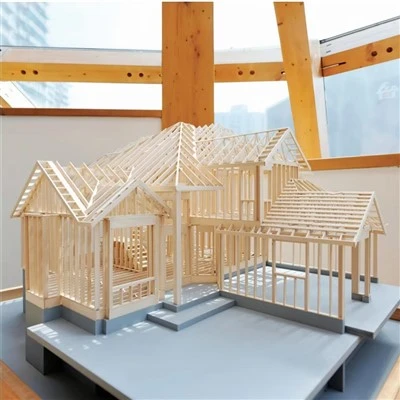
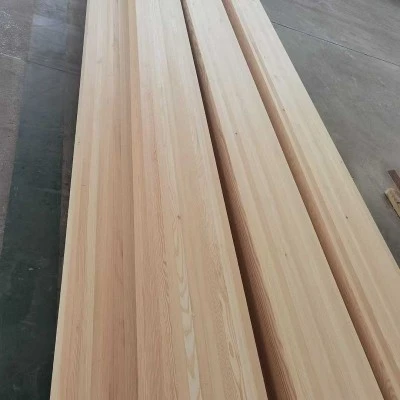

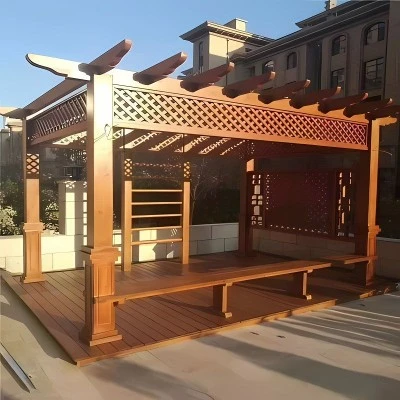
The development of prefabricated housing and buildings is closely linked to the industrialization of the construction sector. Early prefabricated construction focused primarily on enhancing efficiency and minimizing on-site labor by manufacturing components-such as wall panels, floor slabs, beams, and columns-in factories or off-site yards before transporting them to the site for assembly. This method was adopted early in residential construction; particularly during periods of high housing demand, it offered the advantages of shorter construction cycles and reduced susceptibility to weather-related disruptions. As production technologies and transportation capabilities improved, the variety and scope of application for prefabricated components expanded significantly.
With the evolution of modern construction technology, prefabricated housing has shifted from the simple prefabrication of individual components toward standardized, modular, and assembly-based construction systems. Modern prefabricated buildings go beyond traditional wall panels, slabs, and structural frames; they can incorporate pre-manufactured kitchens, bathrooms, or even entire room units that are transported to the site for installation. Furthermore, the integration between architectural design, structural engineering, and component manufacturing has deepened. The use of unified dimensional standards and design modules minimizes repetitive work during construction and enhances precision. Compared to traditional cast-in-place methods, prefabricated construction offers distinct advantages in terms of speed, material utilization, and on-site management.
Driven by the concepts of green building, industrialization, and intelligent construction, the application of prefabricated housing has broadened further. Various forms of assembly-based construction are now being adopted across residential, educational, commercial, and public infrastructure projects. Simultaneously, technologies such as digital design, intelligent manufacturing, and Building Information Modeling (BIM) are increasingly utilized, streamlining the entire workflow-from design and production to transportation and installation. Future developments in prefabricated housing will place greater emphasis on building quality, energy efficiency, environmental sustainability, construction speed, and functional performance. While meeting fundamental building requirements, the industry must also address challenges related to cost control, logistics, installation, and long-term maintenance.