


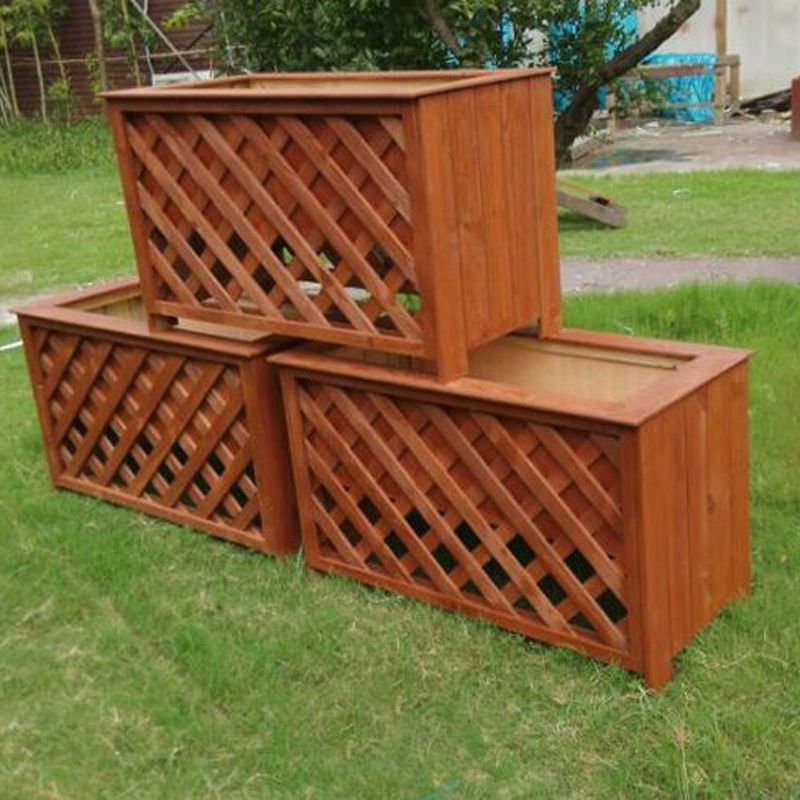
Hey there, fellow garden enthusiasts! I'm super stoked to be chatting with you today about a question I get asked all the time: "Can I use a wooden planter box for herbs?" As a supplier of Wooden Planter Box, I've seen firsthand the magic that happens when you grow herbs in a well - crafted wooden planter. So, let's dive right in!
Why Choose a Wooden Planter Box?
First off, wooden planter boxes are just plain beautiful. There's something about the natural grain and warm color of wood that adds a rustic charm to any garden or patio. They blend in seamlessly with nature, making your herb garden look like it's always been a part of the landscape.
But it's not just about looks. Wood is a fantastic material for planters because it's porous. This means it allows air and water to flow through the soil, which is crucial for healthy herb growth. Herbs need well - drained soil to prevent root rot, and a wooden planter helps achieve that. The wood also provides a bit of insulation for the roots, protecting them from extreme temperatures.
Another great thing about wooden planters is that they're relatively lightweight compared to some other materials like concrete. This makes them easy to move around if you need to change the location of your herb garden to get more sunlight or protect it from bad weather.
Types of Wood for Planter Boxes
Not all woods are created equal when it comes to planter boxes. Some woods are more durable and resistant to rot than others.
Cedar
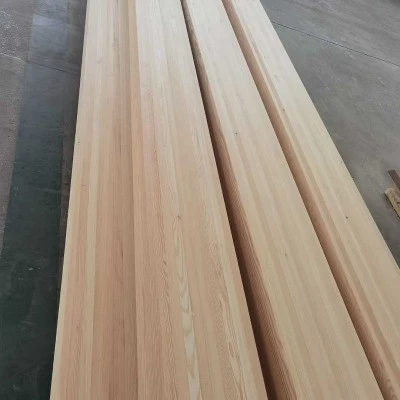
Cedar is a popular choice for wooden planter boxes. It's naturally resistant to decay, insects, and moisture, which means your planter will last for years. Cedar also has a pleasant smell that can help repel pests from your herbs.
Redwood
Redwood is another excellent option. It's strong, durable, and has natural tannins that make it resistant to rot and insect damage. Redwood has a beautiful color that darkens over time, giving your planter a unique and aged look.
Pine
Pine is a more affordable option. While it's not as naturally resistant to rot as cedar or redwood, you can treat it with a non - toxic wood preservative to extend its lifespan. Treated pine can still be a great choice for those on a budget.
Advantages of Growing Herbs in Wooden Planter Boxes
Controlling the Growing Environment
One of the biggest advantages of using a wooden planter box for herbs is that you have more control over the growing environment. You can choose the exact type of soil you want to use, ensuring it has the right nutrients and drainage for your herbs. You can also add compost or fertilizers as needed to give your herbs a boost.
Pest Management
Growing herbs in a planter box can help keep pests at bay. You can easily inspect the box for signs of pests and take action quickly. Also, if you place the planter on a raised surface, it can be more difficult for slugs and snails to reach your herbs.
Space - Saving
If you don't have a large garden, wooden planter boxes are a great way to grow herbs. You can place them on a balcony, patio, or even a windowsill. They allow you to grow multiple types of herbs in a small space.
Things to Consider
Maintenance
Wooden planter boxes do require some maintenance. You'll need to check the box regularly for signs of rot or insect damage. Every so often, you may need to apply a new coat of wood preservative if you're using a less - resistant wood like pine.
Watering
Since wood is porous, it can absorb water. This means you'll need to water your herbs a bit more often in a wooden planter compared to other materials. But on the plus side, the wood also helps prevent over - watering by allowing excess water to drain away.
Size
Make sure to choose the right size of planter box for your herbs. Some herbs, like mint, can be quite invasive and need more space to spread out. Others, like thyme or chives, can do well in a smaller planter.
Other Outdoor Structures to Complement Your Herb Garden
If you're really into creating an amazing outdoor space for your herb garden, you might want to consider some other outdoor structures. Check out these options:
- Wooden Landscape Bridge: It can add a touch of elegance to your garden and create a focal point.
- Wood Look Fencing: This can give your herb garden a defined boundary and add some privacy.
- Wooden Boardwalk: It's a great way to create a path through your garden and make it easier to access your herbs.
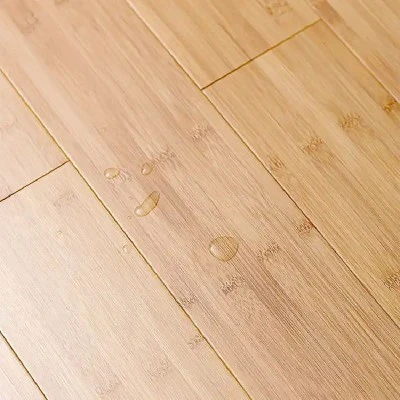
- Bamboo Flooring Outdoor Decking: This is a durable and stylish option for creating an outdoor seating area near your herb garden.
Conclusion and Call to Action
So, can you use a wooden planter box for herbs? Absolutely! It's a great choice for both beginner and experienced gardeners. The natural beauty, functionality, and customizability of wooden planter boxes make them perfect for growing your own fresh herbs.
If you're interested in getting a high - quality wooden planter box for your herb garden, don't hesitate to reach out. We've got a wide variety of sizes and styles to choose from, and we're always happy to answer any questions you might have. Let's work together to create the herb garden of your dreams!
References
- Hart, C. (2018). The Complete Guide to Container Gardening. Green Thumb Press.
- Smith, R. (2019). Woodworking for Garden Structures. DIY Woodworker Publishing.